
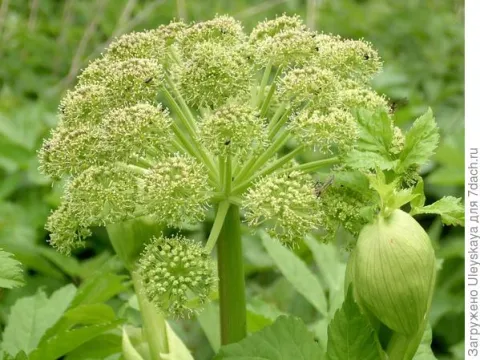
Angelica sinensis
Angelica sinensis
Angelica sinensis is a biennial herb belonging to the Apiaceae family. It is widely cultivated for its thick, aromatic roots which are highly valued in traditional herbal medicine.
What the section contains
Angelica sinensis
The optimal time for sowing is during early spring or late autumn as an overwintering crop. Natural chilling helps break seed dormancy and ensures uniform germination.
Seeds are sown in rows spaced 45 to 60 centimeters apart. A shallow planting depth of 1–2 centimeters is essential because the seeds require some light for germination.
Transplanting seedlings started in trays can provide a head start in shorter growing seasons. Seedlings are ready for the field once they develop several true leaves.
Proper plant spacing is vital for the development of robust taproots. Overcrowding should be avoided to prevent fungal issues and ensure adequate nutrient uptake.
The plant thrives in cool and humid climates. It is native to high-altitude regions, which suggests a preference for moderate temperatures and consistent moisture.
Deep, fertile, and well-drained soils are required for optimal development. Sandy loams that are rich in organic matter provide the best environment for root growth.
Water management is critical; the soil should remain consistently moist but never waterlogged. Irrigation is often necessary during the drier summer months.
Incorporating compost or well-rotted manure before planting is recommended to improve soil structure and fertility. Balanced fertilizers should be applied sparingly.
While the plant tolerates some shade, full sun exposure is generally preferred for the accumulation of essential oils within the root system.
Root rot is the most significant threat to Angelica sinensis, particularly in heavy or poorly drained soils where water stagnation occurs during the rainy season.
Aphids are the most common insect pests. They feed on young leaves and succulent stems, potentially introducing various plant viruses into the crop.
Powdery mildew may occur during periods of high humidity and poor airflow. Managing plant density and weeding are key preventative strategies for this disease.
Pest and disease control should emphasize biological solutions and proper crop rotation, as chemical residues must be avoided in medicinal harvest.
Regular field scouting allows for early detection of problems, enabling targeted interventions before damage becomes widespread across the field.
Harvesting typically occurs in the autumn of the second year, once the leaves begin to yellow and the plant enters a state of physiological senescence.
Roots are excavated carefully to preserve their integrity. Soil particles are removed by rinsing, and fibrous rootlets are trimmed before drying.
Large roots may be split longitudinally to ensure even and efficient drying. This process must be performed in a controlled environment to prevent mold development.
Drying is conducted at controlled temperatures, usually below 50 degrees Celsius, to preserve the volatile compounds and medicinal properties of the herb.
Once dried, the roots should have a characteristic sweet, spicy aroma and a firm texture, indicating a high-quality product ready for processing.