
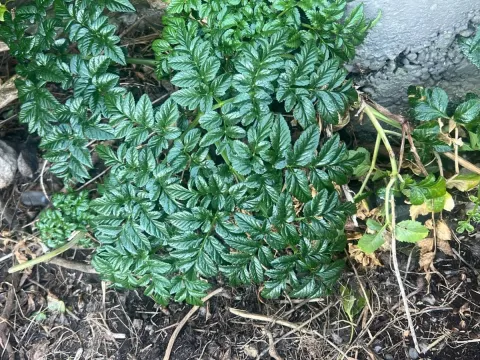
Angelica pachycarpa
Angelica pachycarpa
Seeds of Angelica pachycarpa require a cold stratification process to break dormancy, making autumn sowing directly into the soil an ideal method.
What the section contains
Angelica pachycarpa
If you prefer sowing in spring, it is essential to keep the seeds in a refrigerator at temperatures between 2 and 5 degrees Celsius for at least six weeks.
When planting, ensure the seeds are barely covered with soil, as they need light to stimulate the germination process effectively.
Using seedling trays in a greenhouse environment offers higher control over humidity and protection from pests during the early growth stages.
Transplanting seedlings to their final outdoor location should take place only after all frost risks have passed, typically in late spring.
Angelica pachycarpa, a member of the Apiaceae family, thrives in fertile, well-draining soils that are rich in organic matter.
While the plant enjoys full sun, it is advisable to provide partial shade in regions with extremely hot summers to protect the glossy foliage.
Consistent moisture is vital for the health of this species, so irrigation should be increased during prolonged dry spells to maintain soil hydration.
For optimal growth, mulch can be applied around the base of the plant to help retain soil moisture and suppress the growth of competitive weeds.
Adding compost or well-rotted manure in the spring provides the necessary nutrients to support the robust development of the plant throughout the season.
Powdery mildew is a common fungal disease that affects the leaves of Angelica pachycarpa, especially in conditions with poor air circulation.
Root rot can occur if the soil remains waterlogged, so ensuring proper drainage is crucial to prevent the decay of the root system.
Aphids are the most frequent insect pests, clustering on the tender stalks and underside of leaves to feed on plant sap.
In some cases, caterpillar infestations can damage the foliage significantly, requiring early manual removal or biological pest management.
Maintaining proper spacing between plants helps to reduce humidity levels and limits the spread of airborne fungal pathogens among the crop.
As this species is primarily used as an ornamental landscape plant, traditional agricultural harvesting methods are not applicable in this context.
For propagation purposes, collect the seeds once the umbels turn brown and dry, but before they start scattering naturally onto the ground.
After cutting the seed heads, hang them in a dry and well-ventilated area to finish the drying process before extracting and storing the seeds.
Deadheading spent flowers is recommended to improve the plant's overall aesthetic and prevent the formation of unwanted self-sown seedlings.
For dried flower arrangements, harvest the floral stalks when they are in full bloom and hang them upside down in a dark, dry space to preserve color.