
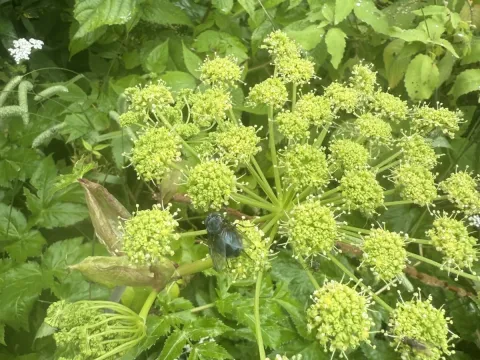
Angelica triquinata
Angelica triquinata
Angelica triquinata, a member of the Apiaceae family, is typically propagated via seeds. Sowing in late autumn is highly recommended to allow the seeds to undergo natural stratification during the winter, which ensures a uniform emergence in spring.
What the section contains
Angelica triquinata
For those opting for spring sowing, seeds must be artificially stratified at cold temperatures for at least two months. Seeds should be planted at a shallow depth of one to two centimeters to ensure optimal soil contact and light exposure.
The germination period for this species can be quite protracted. Maintaining consistent soil moisture is crucial during this phase to avoid failure of the seedlings to emerge from the topsoil layer.
Strategic planting requires spacing between rows of approximately 45 to 60 centimeters. This provides enough room for the plants to grow into their mature form while facilitating easier weeding and maintenance.
Fresh seeds are significantly more viable than stored ones, which often show a sharp decline in germination rates. Growers should prioritize the use of harvest from the previous season to ensure a high-quality stand.
This crop thrives in fertile, well-draining loam soils that are rich in organic matter. While it prefers moisture-retentive conditions, it is highly susceptible to root damage if the soil becomes waterlogged or stagnant.
Angelica triquinata is well-adapted to temperate climates and demonstrates excellent hardiness. It performs optimally in partial shade, although it can tolerate full sun provided the moisture demands are adequately met.
Consistent aeration of the soil through light tillage between rows is essential for root health. This practice prevents soil compaction and allows for the efficient uptake of nutrients from the substrate.
Organic fertilization, specifically the use of mature compost or well-rotted manure, is beneficial before planting. This helps maintain soil structure and provides the steady nutrient supply required for biomass accumulation.
Regular monitoring of irrigation is vital throughout the growing season. Drought stress during the vegetative stages can trigger premature bolting, which drastically lowers the medicinal quality of the harvest.
Fungal pathogens such as rust and various leaf spot diseases are the primary threats to crop health. These issues often arise in conditions of high humidity combined with insufficient airflow between the plants.
Root rot represents a significant danger, particularly in soils with poor drainage or during extended periods of heavy rainfall. It is essential to ensure that the planting site has adequate slope or permeability.
Insect pests, including aphids and leafhoppers, frequently target the succulent foliage. Aside from direct feeding damage, these pests can transmit viral vectors that significantly weaken the entire plantation.
Integrated pest management suggests strict crop rotation protocols. Planting in the same location year after year invites soil-borne pathogens and increases the pressure from pests specific to the Apiaceae family.
Sanitation practices, such as the removal and destruction of affected plant parts, should be performed immediately upon detection. This limits the spread of spores and insects, preserving the health of the remaining stand.