
Angelica miqueliana
Angelica miqueliana
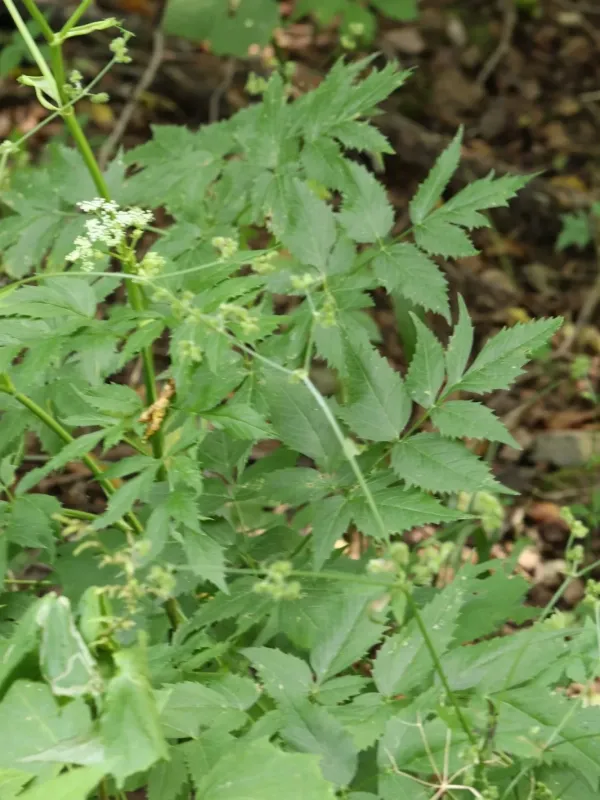
Description
Sowing dates
Angelica miqueliana is a perennial herbaceous plant belonging to the Apiaceae family. Sowing is typically carried out in late autumn directly into the open ground, allowing the seeds to undergo natural stratification during the winter months.
For spring sowing, seeds require pre-treatment by cooling them for 1-2 months at temperatures around +5 degrees Celsius. Seeds should be planted at a shallow depth of 1-2 centimeters, as they are small and sensitive to deep burial.
Germination is slow, necessitating constant soil moisture. It is crucial to prevent the soil surface from crusting, as this can impede the growth of fragile seedlings during the initial development phase.
Row spacing should be approximately 45-60 centimeters to ensure adequate nutrition and space for the development of a strong taproot system. Proper spacing also helps reduce competition between individual plants.
In the first year, the plant primarily focuses on developing a basal rosette of leaves and building up energy stores. Generative growth, including the production of flower stalks, typically occurs in the second or third year.
Growing requirements
This crop prefers fertile, moist, loamy soils with a neutral or slightly acidic pH level. Good drainage is essential, as waterlogged conditions quickly lead to root rot and severe plant decline.
Angelica miqueliana is highly cold-hardy and thrives in regions with severe winters. It prefers partial shade, although it can grow well in sunnier locations provided the soil moisture is kept at a consistent level.
Regular fertilization with organic matter, such as well-rotted compost or manure, is highly beneficial. Such inputs support robust growth and improve the yield of the root system, which is the primary economic component.
Irrigation must be handled carefully, especially during dry summer periods, to avoid drought stress. Drip irrigation systems are recommended to provide precise water delivery while keeping the foliage dry to minimize disease risk.
Mulching is an effective practice for retaining soil moisture and suppressing weeds. Maintaining a weed-free environment is particularly important during the first year of growth when the plant is establishing itself.
Yield
The economic value of Angelica miqueliana lies in its roots, which are harvested for their rich content of essential oils and coumarins. Harvesting is usually performed when the plant reaches its peak biomass, typically in the second or third year.
Yields depend significantly on soil fertility and the quality of maintenance throughout the growing cycle. Under favorable conditions, the crop can provide a consistent and profitable harvest for medicinal use.
Seeds can also be harvested as a secondary product. Collecting seeds requires attention to detail, as they should be gathered just before they shatter to ensure maximum quality and viability for future plantings.
Post-harvest processing is critical for market quality. Roots must be thoroughly cleaned, sliced, and dried at low temperatures to preserve the volatile components that define the plant's medicinal value.
The demand for high-quality, sustainably grown Angelica miqueliana roots is steady, driven by the pharmaceutical and herbal medicine sectors that value the plant's unique biochemical profile.
Main diseases and pests
Common fungal diseases, such as powdery mildew and root rot, pose the greatest threat to this crop. These issues are often exacerbated by poor air circulation and excessive moisture in the root zone.
Pests like the parsnip webworm or related species in the Apiaceae family can damage flowers and foliage. Integrated pest management, including regular scouting, is recommended to mitigate these risks effectively.
Aphids may infest young shoots during warm periods, causing stunted growth. Using natural predators or biological insecticides is preferred over harsh chemicals to protect the local environment and beneficial insects.
Crop rotation is an essential preventive measure. Planting Angelica in the same soil without a sufficient break can lead to a build-up of soil-borne pathogens that compromise plant health over time.
Rodents can cause significant damage to the roots during winter. Protecting the plot with physical barriers is often the most reliable method for smaller-scale farming operations.
Harvesting
Roots are harvested in the autumn of the second year or in the early spring before active vegetative growth resumes. Tools should be used carefully to extract the entire root system without causing unnecessary breakage.
Immediately after digging, the roots must be cleaned of all soil particles. Washing should be done quickly with cool running water to ensure the roots remain in high condition for the drying process.
Slicing the roots into uniform pieces facilitates faster and more even drying. Using drying chambers with regulated temperatures below 45 degrees Celsius ensures that essential oils and active substances remain intact.
Seed heads are collected once they show signs of browning. They are then placed in well-ventilated, shaded areas to complete the ripening process, ensuring high germination rates for future seasons.
Stored final products should be kept in airtight containers in a cool, dark, and dry place. Proper storage prevents moisture absorption and oxidation, maintaining the potency of the herbal material for an extended period.