
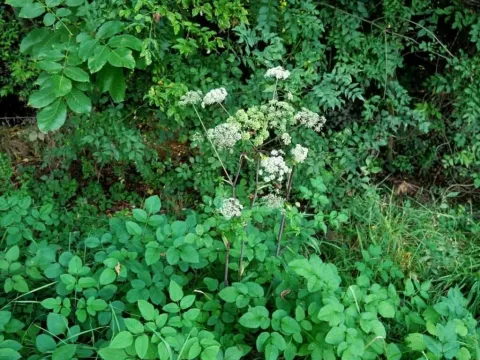
Angelica heterocarpa
Angelica heterocarpa
Angelica heterocarpa is a herbaceous perennial plant belonging to the Apiaceae family. It is a rare species native to specific mountain regions, primarily known for its distinct botanical structure and chemical composition.
What the section contains
Angelica heterocarpa
The cultivation of this plant requires a cool climate with high ambient humidity. It is sensitive to extreme heat and prolonged direct sunlight, making sheltered or semi-shaded agricultural plots the most suitable for its development.
Soil requirements focus on fertility and drainage. The ideal substrate is a loose, humus-rich soil with a neutral or slightly acidic reaction. Proper aeration of the root system is essential to prevent moisture-related decay.
The plant is characterized by its complex inflorescences and specific fruit morphology, which differentiate it from other species within the genus. The chemical properties of the roots and foliage make it a subject of interest for pharmaceutical applications.
Successful management of this crop involves mimicking its natural habitat. Regular irrigation and soil maintenance are crucial, especially during the early stages of establishment and during the dry periods of the growing season.
The primary threats to Angelica heterocarpa include fungal infections such as powdery mildew, which thrive in conditions of high humidity and poor air circulation. Proper spacing between plants is critical to mitigate these risks.
Pests such as aphids and leaf-eating larvae pose a constant challenge to crop yields. Integrated pest management strategies, focusing on biological controls, are highly recommended to preserve the quality of the harvested biomass.
The choice of planting site is vital for long-term health. To prevent the accumulation of soil-borne pathogens, it is recommended to avoid cultivating this species in fields previously used for other Apiaceae family members.
Environmental stress factors can significantly weaken the plants, making them more susceptible to disease outbreaks. Maintaining a balanced nutritional program and adequate water levels helps bolster the plant's natural defense mechanisms.
Constant monitoring of the field is necessary to identify early signs of infestations. Early intervention ensures that the plant remains healthy, preserving both its medicinal potential and aesthetic, commercial value.