
Anisotome
Anisotome
The genus Anisotome belongs to the Apiaceae family and consists of perennial herbaceous plants. These species are primarily native to regions with cool and moist climates, including the subantarctic islands and the alpine zones of New Zealand.
What the section contains


Anisotome
The plants require specific conditions for development, preferring well-drained but consistently moist soils rich in organic matter. In their natural habitat, they are often found on rocky slopes or alpine meadows where adequate air circulation is vital.
This culture is highly sensitive to extreme heat and drought, necessitating a stable temperature range for successful cultivation. Optimal growing conditions align with a cool maritime climate characterized by moderate annual rainfall.
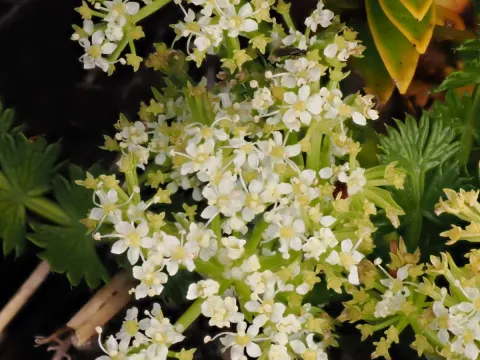
Botanically, Anisotome is defined by a robust root system and pinnately divided leaves that form a basal rosette. The inflorescences are typical for the family, consisting of complex umbels that are often white or cream in color.
Agricultural use of the genus is limited, though some species are evaluated for ornamental purposes in rock gardens. Historically, certain species were utilized by indigenous populations for ethnobotanical purposes, although large-scale commercial farming is not currently practiced.