
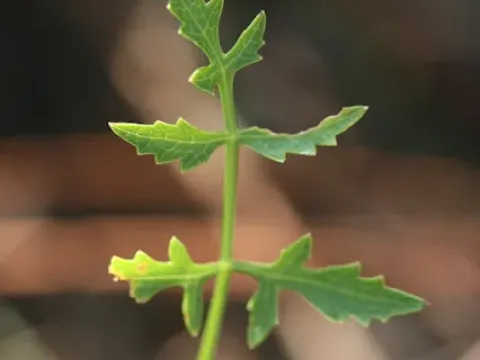
Angelica dentata
Angelica dentata
Angelica dentata is a perennial herbaceous plant belonging to the Apiaceae family, requiring specific conditions for successful germination and early establishment.
What the section contains
Angelica dentata
Seeds are ideally sown in late autumn to facilitate natural stratification during the winter months, which is critical for breaking seed dormancy in this species.
For spring sowing, it is essential to stratify the seeds in a moist substrate at low temperatures for at least 60 days to ensure high germination rates.
The seeds should be planted shallowly, approximately 1–2 centimeters deep, as they require careful depth management to emerge successfully through the soil surface.
Consistent soil moisture must be maintained during the first few weeks after sowing to support the delicate seedlings until they develop a strong root system.
The plant thrives in fertile, well-drained loamy soils that possess a neutral to slightly acidic pH, which helps in maximizing the development of its root system.
It prefers climates with adequate rainfall and cool growing seasons, making it well-suited for temperate regions where summer droughts are not overly frequent.
While the plant can tolerate partial shade, it performs best with sufficient exposure to indirect light, provided that irrigation is consistent throughout the growth cycle.
Proper drainage is paramount; the species is sensitive to waterlogging, which can quickly lead to root decay and the development of various fungal pathogens.
Agricultural management should focus on maintaining weed-free conditions during the first year of growth, as the young seedlings are not highly competitive against invasive weeds.
Powdery mildew and various leaf spot diseases represent the most common threats to healthy development, particularly in plantations with poor air circulation.
Pests such as aphids and specialized umbellifer moths can cause significant damage to the foliage and flower heads, impacting both seed production and total yield.
Effective management strategies include crop rotation and ensuring sufficient plant spacing to minimize the spread of diseases within the agricultural field.
Biopesticides are highly recommended for pest control to ensure that the harvested material remains safe for potential medicinal or industrial processing applications.
Monitoring the plants for early symptoms of infestation allows for localized treatment, effectively preventing widespread damage and preserving the overall crop health.
The primary harvest target for Angelica dentata is the root system, which is best collected in the autumn of the second year when active compounds are most concentrated.
Once harvested, roots must be thoroughly cleaned, sliced, and dried in a well-ventilated, shaded area at temperatures not exceeding 40 degrees Celsius to retain quality.
Seeds are gathered when the umbels turn dark brown, indicating full maturity, and should then be air-dried to prevent mold growth during storage.
Manual harvesting is common for small-scale production, but mechanized harvesting using specialized root harvesters is feasible for larger agricultural plots.
Post-harvest handling is critical; ensuring the moisture content of the dried product is low enough is essential for long-term storage and preventing degradation.