
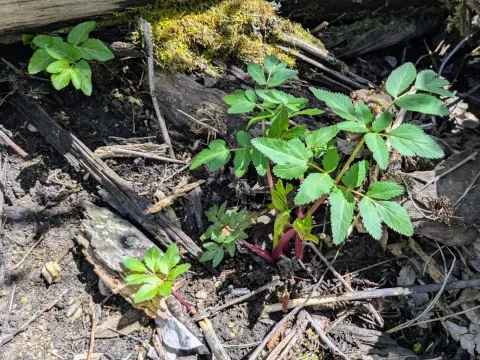
Angelica arguta
Angelica arguta
Angelica arguta is a robust perennial belonging to the Apiaceae family, native to western North America. It is propagated primarily by seeds, which require specific conditions for successful germination.
What the section contains
Angelica arguta
Seeds of this species exhibit dormancy and must undergo a period of cold stratification for 4 to 6 weeks. Sowing directly into the garden in late autumn allows the seeds to benefit from natural winter cold cycles.
If starting indoors, sow seeds in trays filled with a sterile, well-draining seed-starting mix. Cover lightly with soil, as light may inhibit germination in some conditions, and keep moist until sprouts appear.
Space the young plants 60 to 80 cm apart once they are ready to be transplanted into their permanent location. This spacing ensures adequate airflow, which is essential to prevent foliage diseases.
The seedling stage requires consistent moisture and protection from direct, intense sunlight until the root system is well-established in the permanent garden site.
Angelica arguta thrives in deep, fertile soils rich in organic matter. It prefers sites with partial shade, mimicking its natural habitat in moist mountain valleys and meadows.
The soil should be well-drained but have the ability to retain moisture. If your soil is heavy clay, incorporate liberal amounts of compost or organic mulch to improve aeration and water retention.
A neutral to slightly acidic pH is ideal for this herb. Regular application of a balanced organic fertilizer in early spring supports the growth of its lush, large foliage.
Adequate water is crucial throughout the growing season. The plant should never be allowed to dry out completely, particularly during the hot mid-summer months when water demand is highest.
Mulching around the base of the plant with leaf mold or straw helps maintain consistent soil moisture levels and naturally inhibits the growth of competing weeds.
High humidity and poor air circulation often lead to powdery mildew outbreaks. To manage this, ensure plants are spaced correctly and avoid overhead irrigation that keeps leaves wet for long periods.
Root rot is a significant risk in waterlogged soils. Ensuring excellent drainage through soil amendments or raised bed techniques is the best preventative measure against this threat.
Aphids and spider mites are common pests that colonize the undersides of leaves. If observed, wash them off with a strong stream of water or use horticultural soap sprays.
Leaf-feeding insects may occasionally target the foliage. Regular inspections allow for early detection, enabling the removal of localized clusters before a major infestation develops.
Given the plant's medicinal potential, it is advisable to avoid synthetic chemical pesticides. Integrated pest management, including the use of beneficial insects, is highly recommended.
The roots are the most commonly harvested part of Angelica arguta, typically collected in the autumn of the second year when the active compounds are at their peak.
Carefully dig up the roots, avoiding unnecessary damage. Clean them thoroughly with cold water to remove all soil residues, and trim away the fibrous lateral roots.
Cut the main rootstocks into smaller pieces to facilitate efficient drying. Spread them in a single layer in a shaded, well-ventilated area until they become brittle.
Leaves and stems should be harvested before the plant sets seed. Ensure they are dry when picked to prevent mold growth during the drying process in a shaded environment.
Properly dried material should be stored in airtight containers placed in a cool, dark location to preserve the aromatic essential oils for as long as possible.