
Ammoides
Ammoides
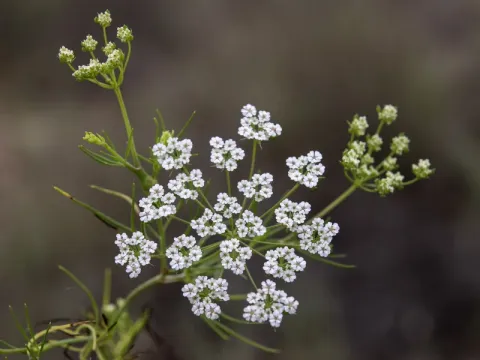
Ammoides is a genus of flowering plants in the Apiaceae family, native primarily to the Mediterranean basin. These plants are known for their adaptation to rocky, calcareous soils and warm, arid climates.
What the section contains

Ammoides
The cultivation of Ammoides requires well-drained, porous soil to mimic their natural habitat. High solar radiation is essential, as the production of volatile compounds is directly correlated with light exposure and temperature during the growing season.
Botanically, these plants exhibit the typical structure of the carrot family, featuring pinnately divided leaves and compound umbels. The plant is often valued for its aromatic essential oils, which have applications in perfumery and traditional medicine.
Agronomic practices for Ammoides focus on optimizing the accumulation of phytochemicals. Precision in soil moisture management is vital, as the plant is highly susceptible to root damage in waterlogged conditions.
Strategic use of this crop includes the extraction of essential oils, making it a niche but valuable component for sustainable agricultural diversification in dryland farming systems.
Common threats to Ammoides crops involve fungal infections, which are often triggered by excessive humidity or poor soil aeration during the early stages of development.
Root rot remains the most significant physiological disorder affecting productivity, necessitating careful soil site selection and strict irrigation control.
Various aphids and sucking insects are known to infest the stalks and flowers, posing a threat to the quality and yield of the essential oil output.
Integrated pest management strategies are recommended to mitigate the risk of insect damage without compromising the purity of the crop's aromatic profiles.
Weed competition is a limiting factor for yield, as the initial growth phases of the plant are relatively slow, requiring clean field management from the time of sowing.