
Reference · Crops
Ammi
Ammi
The cultivation of Ammi, particularly Ammi majus and Ammi visnaga, begins with sowing in the spring once soil temperatures reach 10–12 degrees Celsius at planting depth.
2
items
What the section contains


Marketplace
Products in this section · 1
Ammi
In regions with milder winters, farmers may opt for late autumn sowing to take advantage of early spring soil moisture, which is crucial for uniform germination.
Since the seeds are very small, the sowing depth must be kept shallow, between 1 to 2 centimeters, to prevent the seedlings from exhausting their energy reserves.
Row planting with a spacing of 45 to 60 centimeters is recommended to facilitate mechanical weeding and ensure optimal light distribution for the developing crop.
Seeding rates typically range from 5 to 8 kilograms per hectare, depending on soil fertility, seed germination percentage, and the chosen method of cultivation.
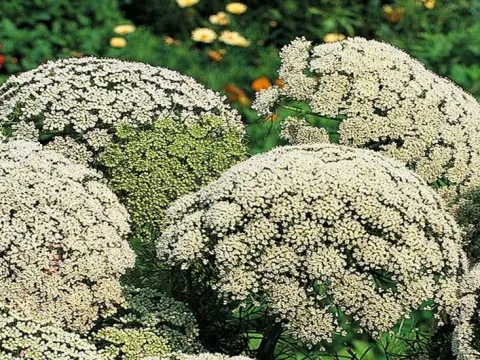
Ammi belongs to the Apiaceae family and thrives in open, sunny locations, as it is a light-demanding plant that does not tolerate shaded conditions.
The ideal soil for this crop is light, fertile, and well-drained, such as sandy loams or loams, with a neutral to slightly alkaline pH level for optimal development.
While the plant is known for its drought resistance, it requires consistent moisture during the vegetative growth phase and the transition into the flowering stage.
Weed management is vital during the early weeks after emergence, as the crop grows slowly and can be easily outcompeted by aggressive weeds in the field.
The plant performs best in moderate climates and is sensitive to severe spring frost, which can cause significant damage to young shoots and hinder growth cycles.
Yield outcomes for Ammi depend heavily on agricultural management practices, weed control, and favorable weather conditions during the seed maturation period.
Under optimal farming conditions, producers can expect an average yield of 8 to 12 decitonnes of dry fruits per hectare, suitable for commercial supply chains.
The primary economic focus of the crop is the production of medicinal raw materials, as the seeds are rich in furocoumarins used for dermatological treatments.
Quality control is essential for marketable yields; crops must be free from botanical impurities and harvested at the precise time of peak chemical concentration.
Post-harvest management is equally important, requiring rapid drying in well-ventilated, shaded areas to maintain the integrity of the bioactive compounds.
Root rot is the most significant threat to Ammi crops, particularly in fields with poor drainage or during seasons with excessive rainfall and stagnant water.
Pests such as aphids and plant bugs can cause damage by feeding on the flower heads, leading to stunted development and reduced seed quality in the umbels.
Powdery mildew may occur in dense, high-humidity plantings, necessitating the use of approved fungicides or improved air circulation to manage the spread.
Preventative measures include maintaining spatial separation from wild Apiaceae species that may host diseases, alongside strict adherence to a multi-year crop rotation.
Regular field scouting is essential to identify early pest outbreaks and apply localized treatments before the damage spreads to the entire cultivation area.
The harvesting process should be executed during the full ripening phase, when the fruits turn brownish and reach their peak concentration of active substances.
A common method involves swathing, where the plants are mowed and left to dry in the field for a few days before being processed by a combine harvester.
Direct combining is an alternative method, though it requires careful adjustment to prevent the shattering of seeds and loss of yield due to mechanical impact.
Post-harvest cleaning is mandatory to remove stems, leaves, and other debris that could introduce moisture and promote mold growth during the drying process.
The final seeds should be dried to a moisture content of approximately 12–13 percent and stored in cool, dry conditions prior to pharmaceutical processing.