
Porcelia macrocarpa
Porcelia macrocarpa
Description
Growing requirements
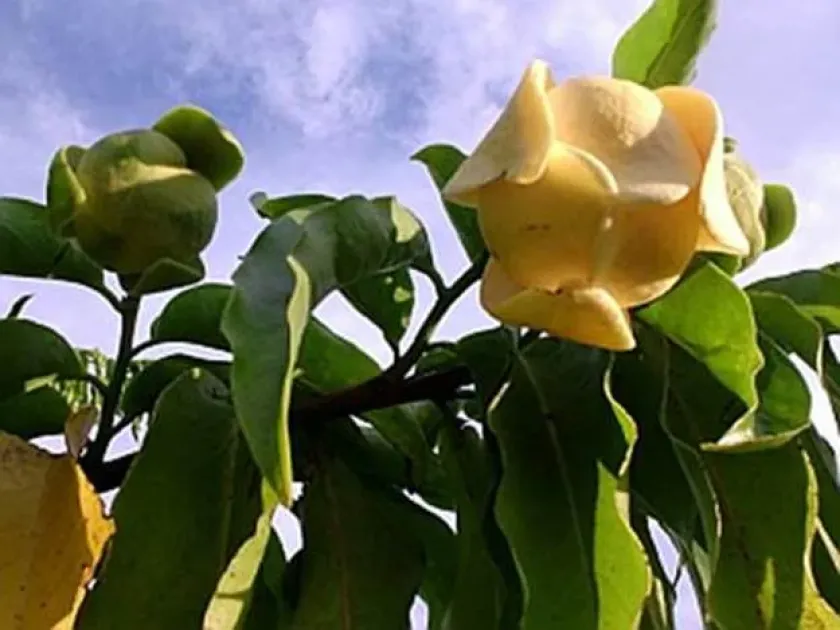
Porcelia macrocarpa is a significant member of the Annonaceae family, native to the tropical forests of South America, particularly within Brazil. It is a slow-growing tree that occupies a specific niche in tropical ecosystems.
The tree thrives in fertile, well-drained soils rich in organic matter. Proper drainage is essential, as the roots are sensitive to waterlogging, which can cause severe physiological stress to the plant.
Climate requirements include constant warm temperatures, typical of tropical zones. Frost is lethal to this species, meaning cultivation outside of tropical latitudes must be conducted in greenhouses or controlled indoor environments.
Lighting should be managed carefully; while mature trees can tolerate more exposure, seedlings and young plants require protection from direct, intense sunlight to prevent leaf scorch and dehydration.
Agrotechnical practices involve consistent soil monitoring and the application of balanced fertilizers during the growing season. Maintaining a slightly acidic to neutral pH level is optimal for nutrient uptake.
Yield
The fruits of Porcelia macrocarpa are recognized for their unique aromatic profile and soft pulp. They are highly sought after in their native range for fresh consumption and local culinary preparations.
Economic utility is currently restricted to local markets and scientific interest in developing new fruit cultivars. The species has potential for sustainable tropical agroforestry projects.
Harvesting requires precision as the fruits are delicate. Timing is critical, as they ripen quickly and tend to become soft, necessitating immediate handling to prevent post-harvest losses.
A key challenge in agricultural production is achieving consistent fruit set. The reliance on specific pollinators in the wild requires breeders to investigate hand-pollination methods for greenhouse operations.
Further research is required to optimize yield parameters and post-harvest storage techniques. Despite these challenges, the tree remains a prized specimen for botanical collections and exotic fruit growers.