
Popowia pisocarpa
Popowia pisocarpa
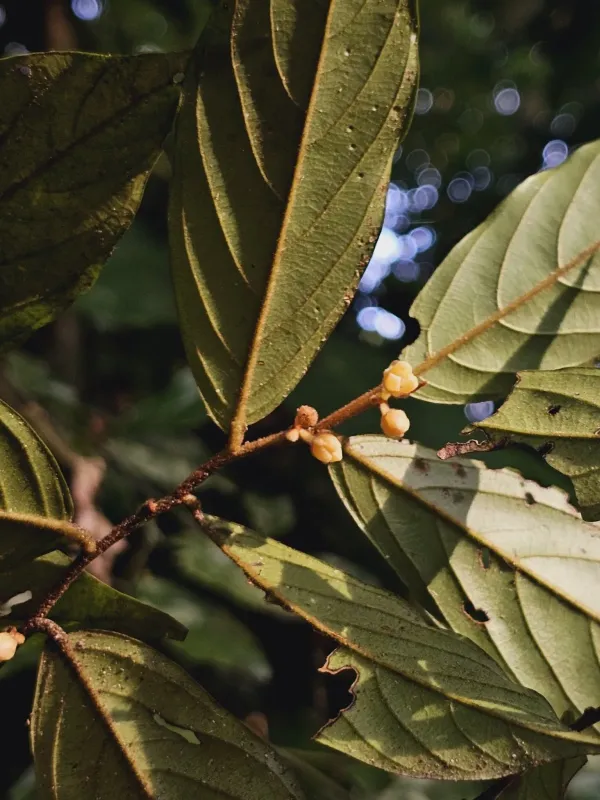
Description
Growing requirements
Popowia pisocarpa is a species of flowering plant belonging to the Annonaceae family. It typically manifests as a shrub or a small tree native to the tropical regions of Southeast Asia, thriving under the canopy of dense moist forests.
The climate requirements for this plant are stringent, necessitating constant high temperatures and high humidity levels throughout the year. It lacks cold hardiness and will suffer irreparable damage if exposed to freezing temperatures or prolonged chilly spells.
Soil quality is paramount for the health of Popowia pisocarpa, which prefers nutrient-rich, loamy soils that possess excellent drainage properties. While it requires consistent moisture, waterlogging in the root zone is detrimental and can lead to rapid decay.
Botanically, the plant features simple, alternate leaves and small, aggregate fruits typical of the Annonaceae family. Its biological cycle is attuned to the tropical seasonal patterns of light and rainfall, which define its growth stages and fruiting period.
Economically, the plant is primarily utilized in traditional medicine within its native range. Research is ongoing to identify the potential of its phytochemical compounds for pharmaceutical use, though it remains a specialty crop rather than a mass-market commodity.
Main diseases and pests
In its native environment, the plant is susceptible to a variety of tropical insects that feed on its foliage. These pests can significantly reduce the photosynthetic capacity of the plant and hinder the development of healthy leaf tissue.
Fungal infections are a major threat, particularly in environments with limited air circulation and high atmospheric moisture. Pathogens can infect both the leaves and the structural branches, potentially leading to severe dieback if not managed.
The plant faces significant competition from fast-growing vines and invasive weeds that compete for sunlight and soil nutrients. This ecological pressure can stunt the growth of younger specimens, making them less capable of establishing a strong root system.
Habitat loss due to land-use changes remains the most significant threat to the survival of Popowia pisocarpa in the wild. As natural forest areas are converted to agricultural land, the niche ecosystems supporting this species are rapidly dwindling.
Management of these threats in cultivation requires strict adherence to sanitation practices and regular health inspections. Maintaining appropriate spacing between plants helps improve air movement, thereby reducing the likelihood of fungal pathogen outbreaks.