
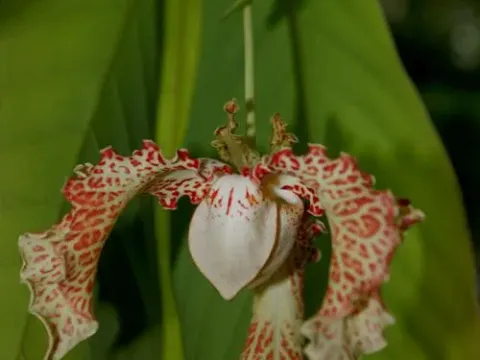
Monodora
Monodora
Propagation of the Monodora tree, most notably Monodora myristica, is primarily achieved through seeds, which should be planted as soon as they are harvested.
What the section contains


Monodora
Fresh seeds exhibit the highest viability; if allowed to dry out, they lose their ability to germinate, which is a critical factor for successful plantation establishment.
Seed treatment involves mechanical scarification of the hard outer coat to allow water infiltration and ensure a uniform and faster germination process under nursery conditions.
Planting typically occurs at the beginning of the wet season, providing the seedlings with the necessary moisture levels to develop a strong root system during their early stages.
Once the seedlings reach a height of approximately 30-50 centimeters, they are ready to be transplanted into their permanent location, ideally within an agro-forestry system.
Monodora is a tropical tree from the Annonaceae family that demands consistently warm temperatures and high humidity throughout the entire growing season.
The tree thrives in deep, fertile, and well-drained soils rich in organic matter, which provide the necessary nutrients for vigorous growth and fruit development.
While mature trees can tolerate some sunlight, young plants require partial shade to avoid heat stress and leaf scorch, often provided by larger canopy trees in native habitats.
Consistent water availability is essential for the tree's health; both prolonged droughts and waterlogged conditions are detrimental to its growth and productivity.
Providing a wind-protected environment is important because the tree possesses somewhat brittle branches that can be easily damaged by strong tropical winds.
Yield capacity of the Monodora tree is highly dependent on the plant's maturity, with the first significant harvests usually starting between the 5th and 7th year of growth.
Maximum productivity levels are typically reached when the tree is 10 to 15 years old, continuing for several decades under proper agricultural management.
The fruits are harvested for their aromatic seeds, which are highly valued in culinary applications as a spice, often compared to nutmeg or black pepper.
Average yield per mature tree ranges widely based on environmental factors, but intensive care and optimal pollination can yield significant amounts of fruit per hectare.
Regular maintenance, including selective pruning, is a recommended practice to ensure better access to the fruits and to stimulate the production of new flowering wood.
Root rot caused by fungal pathogens is the most significant threat to Monodora, especially in areas with poor drainage or excessive soil moisture levels.
Insect pests, such as aphids and scale insects, frequently target the succulent growth of young trees, leading to stunted development and reduced plant vigor.
Leaf-eating caterpillars can cause substantial damage to the foliage, which is particularly detrimental to young saplings that are still building their photosynthetic capacity.
Proper plant spacing is critical to ensure good air circulation, which helps mitigate the risk of fungal spread and other pathogens prevalent in humid conditions.
Early identification of pest infestations is key to management, and biological control methods are often preferred to maintain the ecological balance of the orchard.
Harvesting the fruits of Monodora requires careful manual labor to ensure that only fully mature fruits are collected for processing and optimal quality.
Fruits should be harvested directly from the tree before they fall, as contact with the damp forest floor can cause rapid degradation of the pulp and seed quality.
The post-harvest process involves removing the seeds from the fruit, washing them to remove all pulp residue, and drying them under controlled conditions.
Proper drying is essential to develop the desired chemical profile of the spice, which gives it its unique, complex aroma and flavor characteristics.
Once dried, the seeds are sorted and stored in cool, dark, and dry conditions to ensure long-term shelf life and preserve the volatile oils contained within.