
Pawpaw
Asimina triloba (L.) Dunal
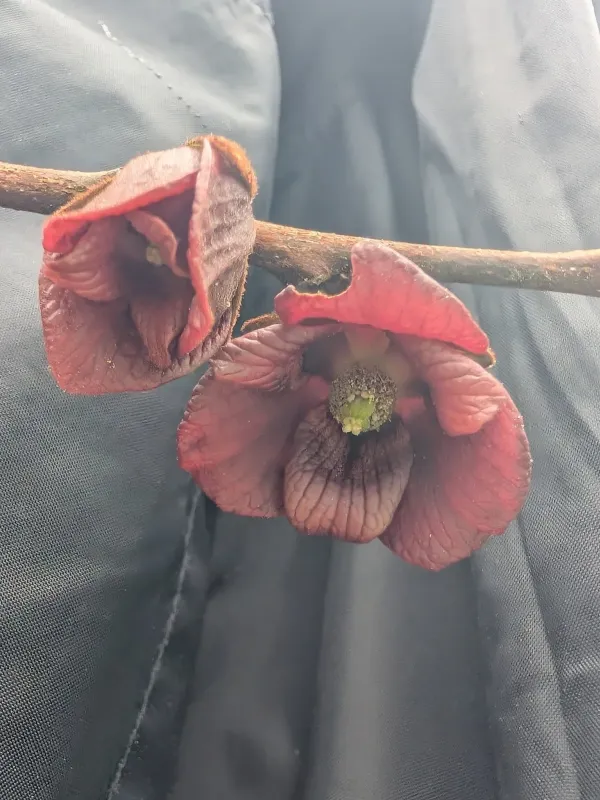
Description
Sowing dates
The pawpaw, Asimina triloba, is a unique fruit tree belonging to the Annonaceae family, native to the temperate regions of North America. It is typically propagated via seeds, although grafting is preferred for maintaining consistent cultivar quality.
Seeds must be kept moist, as they lose viability quickly once dried. They require a long period of cold stratification (at least 90–120 days) to break dormancy and ensure successful germination in the spring.
Young seedlings are sensitive to intense UV light and require shade during their first one to three years of growth to prevent sunscald and ensure healthy development.
The tree develops a long taproot, making transplanting established specimens very difficult. Therefore, it is critical to select a permanent planting site that allows for long-term growth.
Planting in a location protected from strong winds is essential to prevent branch breakage and to ensure that the delicate flowers are not damaged during the spring bloom.
Growing requirements
Pawpaws thrive in deep, fertile, and well-drained soils. While they are adaptable, they prefer slightly acidic to neutral soil conditions with a high organic matter content.
The species requires a significant amount of moisture throughout the growing season but cannot tolerate waterlogged conditions, which lead to root rot.
To reach its full potential, the tree needs a long, hot summer. It is fully hardy in winter, capable of surviving temperatures as low as -25°C, but it needs consistent heat during the vegetative period.
Cross-pollination is necessary for fruit set. Growers should plant at least two different cultivars close to each other to ensure a reliable and abundant harvest.
Regular mulching is highly recommended to regulate soil temperature and retain moisture in the root zone, mimicking the forest floor environment of its natural habitat.
Yield
The yield of a pawpaw tree varies depending on age and pollination success. Grafted trees typically begin bearing fruit within 3 to 4 years, while seed-grown trees may take 5 to 8 years.
A mature tree can produce up to 20 kilograms of fruit per season. The fruits are large, clustered, and possess a creamy, custard-like texture with a tropical flavor profile.
Pruning is important to maintain an open canopy, allowing sunlight to penetrate the inner branches, which enhances fruit size and sugar content.
Because pawpaw flowers are not highly attractive to bees, many commercial growers perform hand-pollination using a small brush to transfer pollen between trees to increase yields.
The harvest season is relatively short, typically occurring between late August and September, depending on the specific cultivar and local climate conditions.
Main diseases and pests
Pawpaw is remarkably resistant to most common orchard pests and diseases, largely due to the natural acetogenins found in its leaves, which act as a deterrent.
Root rot is the most significant threat to the tree, caused primarily by poor soil drainage and stagnant water around the root system.
Young trees may occasionally attract slugs or snails, particularly if the base of the trunk is surrounded by excessive damp organic debris or weeds.
No major systemic diseases threaten the pawpaw in its native range, making it an excellent candidate for low-input or organic fruit production systems.
Maintaining good air circulation through proper spacing and regular monitoring prevents potential fungal leaf spots that can appear during exceptionally wet seasons.
Harvesting
Harvesting is best done when the fruit skin begins to soften and changes from a bright green to a yellowish or brownish hue, indicating peak ripeness.
Pawpaws have an extremely short shelf life, often bruising within hours of being picked. Fruits should be handled with great care and stored in a single layer.
For best results, consume the fruits within 2–3 days of harvesting, or store them in a refrigerator where they can remain fresh for up to two weeks.
Because the fruits ripen unevenly, harvesting should be performed daily during the peak season to ensure that fruits are picked exactly at the point of maturity.
Commercial producers often process the soft pulp into frozen purees, as the fresh fruit is too delicate for long-distance shipping or extended storage.