
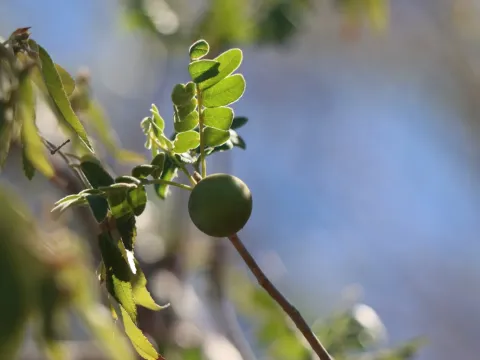
Poupartia
Poupartia
Poupartia is a genus of flowering plants belonging to the Anacardiaceae family. Native to regions such as Madagascar and the Mascarene Islands, these trees are closely related to other economically important species like Mangifera indica and Anacardium occidentale.
What the section contains

Poupartia
The climate requirements for Poupartia are strictly tropical. The plants thrive in environments with consistent high temperatures throughout the year and require protection from chilling winds and frost. They are best suited for cultivation in zones with high humidity and stable weather patterns.
Regarding soil conditions, Poupartia species require deep, fertile, and well-drained soil. They are highly intolerant to waterlogging, which often leads to root rot. Soils with a slightly acidic to neutral pH are considered ideal for optimal nutrient absorption.
Agrotechnical management involves regular mulching to maintain soil moisture and suppressing weed competition around the base of the tree. Young trees require supplemental irrigation during the dry season to establish a robust root system before full maturity.
In terms of usage, the fruit of Poupartia is consumed locally, often prized for its unique flavor profile. Beyond its fruit-bearing capabilities, the timber is sometimes utilized in local construction due to its density and natural resistance to various environmental stresses.
The primary threats to Poupartia involve various tropical pests, most notably fruit flies, which can compromise the entire harvest if not managed properly. Integrated pest management strategies are essential to control populations during the fruiting phase.
Fungal pathogens such as leaf spot and anthracnose pose a significant risk, especially during high-humidity periods. Proper canopy management, which includes strategic pruning to improve air circulation, is the most effective preventative measure.
Scale insects can become a major nuisance, clustering on the undersides of leaves and stems. These pests weaken the plant by extracting sap and producing honeydew, which encourages the growth of sooty mold.
Root rot, driven by excessive soil moisture and poor drainage, remains the most lethal threat to cultivated specimens. Careful soil monitoring and the use of raised beds are standard techniques to mitigate this risk in vulnerable areas.
Nutrient imbalances, particularly deficiencies in essential minerals, can manifest as interveinal chlorosis. Regular soil testing and balanced fertilization programs are required to maintain the vigor and productivity of these trees over their lifespan.