
Operculicarya pachypus
Operculicarya pachypus
Description
Growing requirements
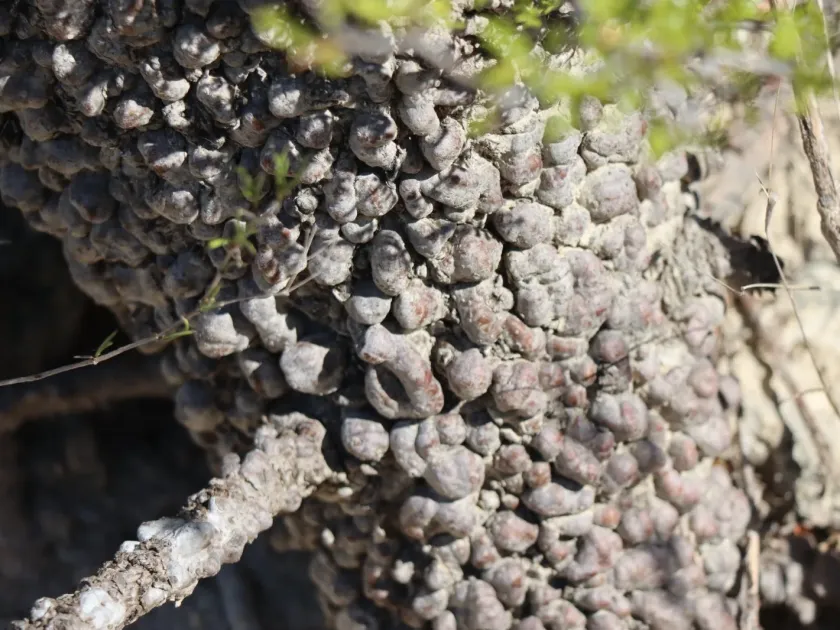
Operculicarya pachypus is a fascinating caudiciform succulent belonging to the Anacardiaceae family. Native to the arid regions of Madagascar, this plant is highly prized by collectors for its thick, swollen, and gnarly caudex, which serves as a natural reservoir for water during periods of prolonged drought.
The primary requirement for successful growth is abundant sunlight. To maintain a compact and healthy shape, the plant needs direct exposure to bright light for most of the day. In indoor environments, placing it in the sunniest spot available is essential to prevent etiolation and weak, leggy growth.
Regarding soil composition, drainage is the highest priority. A standard mix should consist of inorganic materials such as pumice, volcanic rock, and coarse sand. Organic content must be kept very low, as excessive peat or humus retains moisture that can quickly lead to lethal root decay.
Climate preferences include warm temperatures during the active growing season, ideally between 22 and 30 degrees Celsius. As a deciduous species, it naturally drops its leaves during the dormant winter phase, requiring cooler temperatures and almost complete cessation of irrigation to prevent cellular collapse.
Regular maintenance involves precise pruning, which helps in developing the unique aesthetic of the tree-like structure. Because the growth rate is slow, patience is required. Fertilizer application should be minimal, using balanced solutions with low nitrogen levels to support steady development without forcing unnatural growth.
Main diseases and pests
The most significant threat to Operculicarya pachypus is fungal rot caused by overwatering or poorly draining substrate. Once the caudex begins to soften or turn dark, it indicates that internal decay has likely started, requiring immediate dry-out or surgical intervention to save the plant.
Spider mites are a common pest problem, particularly in dry and stagnant air conditions. These mites feed on the sap of the leaves, causing mottling and premature leaf drop. Periodic washing of the foliage and application of appropriate acaricides are effective control measures.
Mealybugs can also infest the plant, hiding in the crevices of the trunk or at the base of the branches. Their presence is often indicated by white, cotton-like masses. Manual removal with a cotton swab dipped in alcohol or the use of systemic insecticides usually solves the issue.
Prevention of diseases involves strict adherence to the seasonal cycle. Providing a dry, cool winter rest period is not only a biological requirement but also an essential defensive strategy against pathogens that thrive in moist, cool conditions.
Ensuring good air circulation around the plant is vital to keep pests and fungi at bay. By monitoring the firmness of the caudex and maintaining a consistent, well-ventilated growing space, enthusiasts can ensure their specimens remain healthy for many years.