
Operculicarya hyphaenoides
Operculicarya hyphaenoides
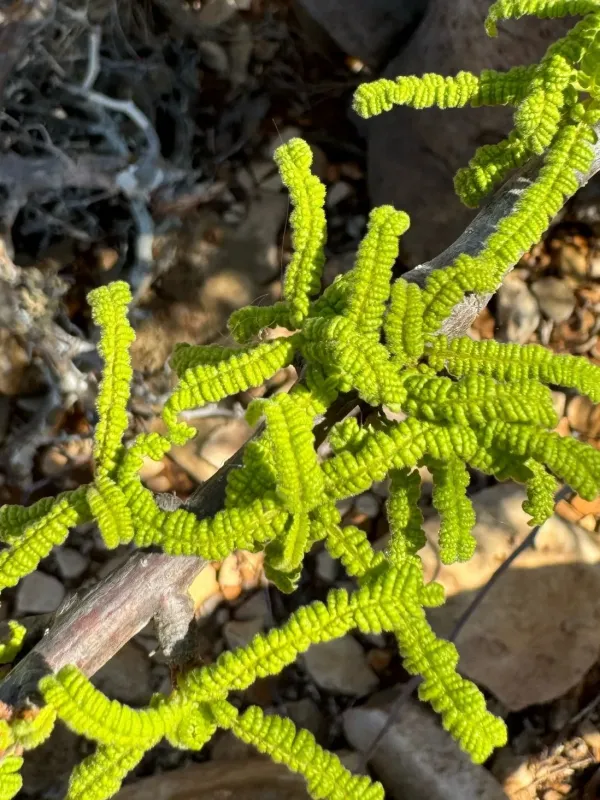
Description
Growing requirements
Operculicarya hyphaenoides is a unique woody succulent species belonging to the Anacardiaceae family. Native to the arid regions of Madagascar, this plant has evolved to survive in nutrient-poor, rocky environments by developing a thickened, water-storing caudex that serves as a reservoir during prolonged drought periods.
The culture requires high levels of bright, indirect sunlight to maintain its compact growth form and intricate branching. When grown in indoor settings, providing supplemental lighting or placing the plant in a high-light exposure area is crucial to prevent etiolation, where the branches stretch and lose their aesthetic appeal.
Proper soil composition is fundamental for the health of Operculicarya hyphaenoides. Growers should utilize a highly porous, mineral-based substrate containing pumice, coarse sand, and a small percentage of well-draining organic material. This structure prevents water retention and ensures adequate aeration for the sensitive root system.
The agricultural technique focuses on a strict water management routine. During the active growing season, the plant should be watered thoroughly but only after the substrate has dried out completely. Winter dormancy requires a significant reduction in watering, as the plant minimizes its metabolic processes and becomes highly susceptible to root rot.
Beyond its botanical interest, the species is widely utilized in decorative horticulture, particularly among bonsai enthusiasts. Its ability to be trained into elegant, ancient-looking forms makes it a highly prized specimen for collectors interested in rare, desert-adapted flora that thrives in controlled pot environments.
Main diseases and pests
Common pests associated with this species include the red spider mite, which flourishes in environments with low humidity, and the mealybug, which often hides in the crotches of branches. Regular monitoring and the application of systemic insecticides are the standard methods to keep pest populations under control.
Fungal infections, specifically root rot, occur when moisture levels are not managed correctly. Providing a sterile, well-draining medium and ensuring consistent airflow are the primary preventive measures against these pathogens. If infection occurs, affected root parts must be surgically removed followed by a treatment with specialized fungicides.