
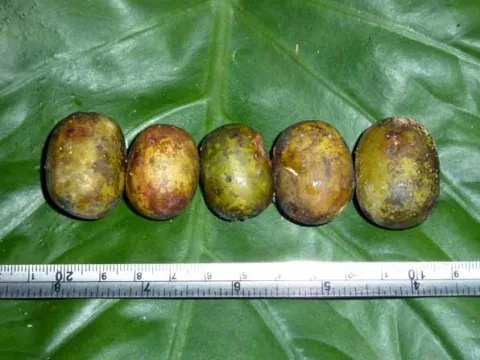
Chaerospondias
Chaerospondias
Chaerospondias (Chaerospondias axillaris), commonly known as the Nepalese hog plum, is a fruit-bearing tree belonging to the Anacardiaceae family. It is native to various regions in Asia, primarily found in the mountain forests of the Himalayas, Southern China, and Southeast Asia.
What the section contains
Chaerospondias
This crop thrives in humid, subtropical climates with a clear distinction between rainy and dry seasons. It is remarkably adaptable to different elevations, often growing naturally in hilly terrain where it benefits from moderate temperatures and sufficient atmospheric moisture.
The ideal soil conditions for Chaerospondias involve well-draining, nutrient-rich, loamy soils. It cannot tolerate waterlogged ground, which increases the risk of root rot; therefore, selecting slopes or elevated land for planting is a common agronomic practice to ensure longevity.
Cultivation practices involve proper spacing to allow for adequate crown development, as the trees grow quite tall. Minimal pruning is typically required, mainly to remove dead wood and facilitate better light penetration, which in turn enhances fruit production and overall tree health.
The tree holds significant economic potential due to its versatile fruit, which is rich in vitamins and fiber. It is widely used in local food industries for producing juices, jams, pickles, and traditional snacks, making it an important component of sustainable local agriculture.
The primary threats to this species include various fungal pathogens that flourish in high-humidity environments. Anthracnose is a frequent concern, potentially damaging both leaves and maturing fruits, requiring careful canopy management to ensure air circulation.
Insect pests, specifically fruit flies, represent a significant challenge for growers. These pests cause premature fruit drop and quality degradation, often requiring the use of integrated pest management strategies, such as baiting and orchard sanitation, to control infestations.
Root system issues can arise from improper site selection, particularly on compacted or poorly draining soils. These conditions foster soil-borne diseases that can lead to tree decline or total mortality if left unmanaged over several growing seasons.
Young plants are particularly vulnerable to environmental stress and opportunistic pests. Establishing shelterbelts or using protective covers during the initial growth phase helps in ensuring the survival and vigor of the young orchard before it reaches full productivity.
Maintaining high soil fertility through organic amendments is key to preventing plant stress. Trees that are nutrient-deficient show lower resistance to common pests and diseases, highlighting the need for regular soil testing and balanced fertilization programs.