
Buchanania
Buchanania
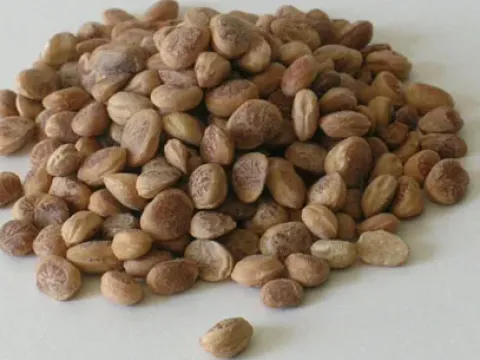
The propagation of Buchanania, most notably the species Buchanania lanzan, is primarily achieved through seeds, as vegetative methods are not yet sufficiently effective for industrial-scale cultivation.
What the section contains
 Buchanania arborescens
Buchanania arborescens
Buchanania arborescens
 Buchanania cochinchinensis
Buchanania cochinchensis
Buchanania cochinchinensis
Buchanania cochinchensis
 Buchanania insignis
Buchanania insignis
Buchanania insignis
 Buchanania lanzan
Buchanania macrocarpa
Buchanania macrocarpa
Buchanania lanzan
Buchanania lanzan
Buchanania macrocarpa
Buchanania macrocarpa
 Buchanania nitida
Buchanania nitida
Buchanania nitida
 Buchanania sessilifolia
Buchanania splendens
Buchanania splendens
Buchanania sessilifolia
Buchanania sessilifolia
Buchanania splendens
Buchanania splendens
Buchanania
The optimal time for sowing seeds is the beginning of the rainy season, which allows young seedlings to root better in moistened soil before the onset of the dry period.
Seeds require pre-treatment, including depulping and short-term soaking to accelerate germination, which can otherwise be prolonged under natural conditions.
For establishing plantations, seedlings are planted with specific spacing to ensure proper crown development and free air circulation between the rows.
In nurseries, seedlings are maintained until they reach a height of 30–50 centimeters, after which they are transplanted to their permanent location into prepared planting pits.
Buchanania belongs to the Anacardiaceae family and is a typical tropical crop adapted to the harsh conditions of semi-arid forests.
The crop prefers well-drained loamy or sandy soils and does not tolerate waterlogging, which quickly leads to the decay of the root system.
The plant exhibits high drought resistance, making it a promising candidate for cultivation in regions with significant water scarcity.
For optimal growth, the tree requires intense sunlight; therefore, plantations are established in open areas without shading from other tree species.
The temperature optimum for the crop's development ranges from +25 to +35 degrees Celsius, although mature specimens can withstand short-term temperature fluctuations.
The yield of Buchanania directly depends on the age of the tree, with the first significant harvest appearing 5–7 years after planting.
Maximum productivity levels are reached when the tree attains maturity, once the canopy is fully formed and capable of supporting a large number of inflorescences.
The fruits are small drupes containing an edible kernel, which is highly valued in the confectionery industry for its buttery, nutty flavor.
The average weight of dry kernels from one mature tree can range from 2 to 5 kilograms, depending on management intensity and seasonal agro-climatic conditions.
Yield stability is largely determined by the quality of pollination, so maintaining the activity of natural insect pollinators near the plantation is highly recommended.
The crop is susceptible to various pests, among which leaf-eaters and weevils are the most dangerous, causing damage to vegetative mass and flower buds.
Fungal diseases, such as anthracnose, can occur during periods of high humidity, causing leaf spots and premature fruit drop.
To control harmful organisms, regular sanitary pruning of dry and damaged branches is recommended to reduce the risk of infection spread.
The application of chemical protection measures must be strictly dosed and targeted at specific pests to minimize negative impacts on the ecosystem.
Monitoring tree health at the beginning of the rainy season is a key preventive measure to prevent the mass development of pathogens on young shoots.
The harvesting of fruits is carried out during the period of full maturity, when the peel turns a characteristic dark color, indicating the ripeness of the kernel inside.
Most often, fruits are collected manually or by gently shaking the branches over spread cloths to avoid injuring the delicate skin.
After harvesting, the fruits are immediately depulped, as prolonged storage in an uncleaned state can cause the valuable kernel to spoil due to moisture exposure.
This is followed by the process of sun-drying the kernels until they reach a specific moisture content, which is necessary for long-term storage without losing nutritional value.
Cleaned and dried kernels serve as the commercial product, which, after size sorting, is processed or packaged for sale.