
Dracontomelon costatum
Dracontomelon costatum
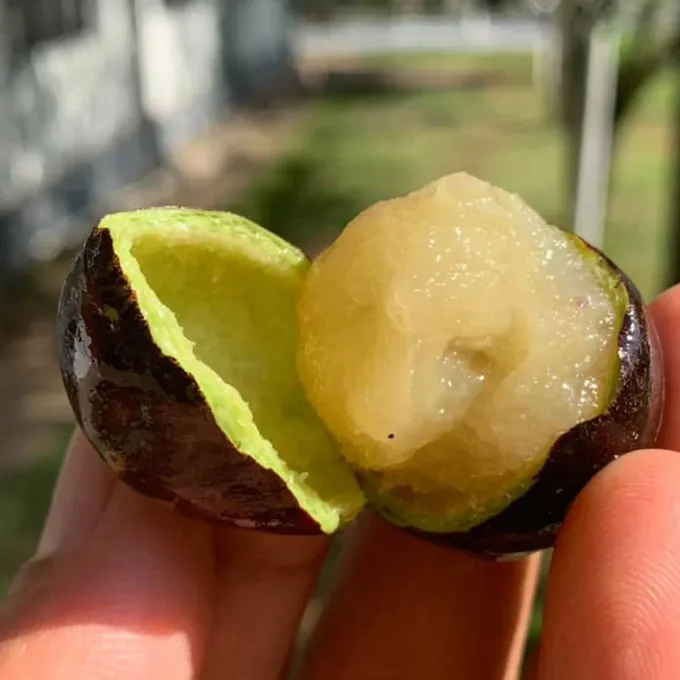
Description
Growing requirements
Dracontomelon costatum is a distinctive tree belonging to the Anacardiaceae family, native to the tropical rainforests of Southeast Asia. It is a large canopy-forming species valued for its ecological significance and utility in various local industries.
The climate requirements for this species are strictly tropical, necessitating high ambient temperatures and consistent humidity levels throughout the year. It does not possess tolerance for cold temperatures or frost, making its distribution limited to equatorial zones.
Optimal growth is achieved in deep, nutrient-rich, and well-drained soils. While the plant thrives in humid environments, it is imperative to avoid waterlogged conditions, as the root system is sensitive to asphyxiation and subsequent rot.
From an agricultural standpoint, Dracontomelon costatum requires sufficient spacing to allow its wide canopy to develop fully. Proper sunlight exposure is crucial, especially for mature trees, which rely on photosynthesis to produce high-quality fruits.
The tree serves multiple purposes, ranging from the consumption of its edible, flavorful fruits to the utilization of its dense wood in high-end carpentry. It is also an important component of agroforestry systems in its native range, providing shade and biodiversity.
Main diseases and pests
Fungal pathogens represent the most significant threat to this species, particularly in regions experiencing heavy monsoon rainfall. Excess moisture encourages the spread of leaf spots and canopy blight.
Pests such as mealybugs and scale insects frequently infest the tender young shoots. If left unmanaged, these pests can severely stunt the growth of young saplings and reduce the overall vigor of mature trees.
Root-knot nematodes can become a chronic issue, particularly in light, sandy soils where the plant is established. Integrated pest management practices, including soil amendment, are recommended to maintain tree health.
Wood-boring insects may attack the trunk, creating entry points for opportunistic fungi. Maintaining tree vigor through proper fertilization helps the tree develop natural defenses against such infestations.
Poor ventilation within the orchard can lead to increased pest pressure. Systematic pruning is a necessary practice to ensure adequate airflow and light penetration, which effectively minimizes the prevalence of common tropical plant diseases.