
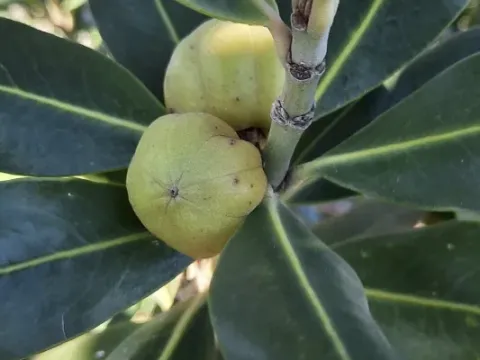
Cape poison ivy
Toxicodendrum capense
Cape poison ivy (Toxicodendron capense), a member of the Anacardiaceae family, is a distinctive perennial shrub primarily recognized for its biological uniqueness and specific environmental requirements. Understanding its native habitat is crucial for successful cultivation and site management.
What the section contains
Cape poison ivy
Originating from Southern Africa, this species thrives in diverse soil profiles, provided they offer excellent drainage. The crop exhibits a high degree of tolerance to arid conditions, making it an interesting candidate for xeriscaping or specific botanical applications in warm-climate zones.
Successful production relies on high solar exposure to ensure optimal biomass development. The plant demands well-aerated substrates, and while it shows resilience, supplemental irrigation during prolonged dry spells is recommended to maintain vigorous growth cycles and prevent premature senescence.
Agricultural management involves regular canopy thinning and the removal of basal suckers to concentrate nutrients. Soil fertilization should be balanced to support structural integrity, with an emphasis on phosphorus and potassium to enhance overall plant resilience against environmental stress.
Handling Toxicodendron capense requires strict adherence to safety protocols. Like many members of the genus, the plant produces allergenic compounds that can cause dermatitis. Field workers must utilize appropriate protective equipment to avoid direct contact with sap during pruning or harvest operations.