
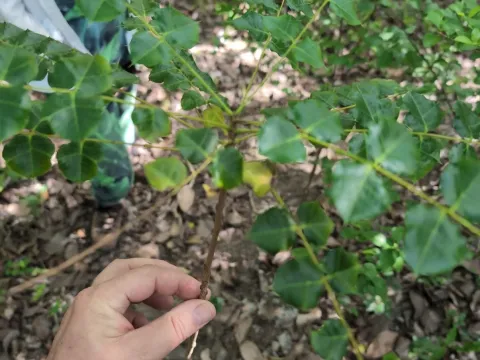
Comocladia
Comocladia
Comocladia is a genus of tropical trees and shrubs belonging to the Anacardiaceae family. Native to the Caribbean islands, these plants are known for their distinct foliage and ecological significance within their natural habitats.
What the section contains


Comocladia
The cultivation of Comocladia requires a strictly tropical environment with high humidity and constant warm temperatures. Unlike temperate crops, this genus cannot tolerate frost, necessitating greenhouse conditions in non-tropical regions to ensure survival.
Soil composition is critical for this crop; it requires a well-drained, porous medium that prevents water accumulation near the root system. A neutral to slightly acidic pH is generally preferred for optimal nutrient absorption.
Irrigation management must be precise. While the plant requires consistent moisture to thrive, it is highly susceptible to root rot if the soil remains waterlogged. Establishing a regular irrigation schedule matched with seasonal changes is essential for healthy development.
Regarding light requirements, Comocladia thrives in full sun exposure. In nursery settings, providing adequate spacing is vital to ensure proper airflow, which reduces the moisture trapped between leaves and prevents fungal colonization.
Fungal pathogens are the primary threat to Comocladia plantations, often triggered by poor ventilation and high atmospheric humidity. Maintaining a dry foliage surface during the night significantly lowers the infection risk.
Scale insects and spider mites are commonly observed pests that thrive on these plants, especially when humidity levels are not properly managed. Implementing an integrated pest management (IPM) strategy is highly recommended for commercial production.
A significant biological feature of Comocladia is the irritating sap, which contains phenolic compounds capable of causing skin irritation or severe allergic dermatitis. Personnel must wear appropriate protective clothing during all maintenance and harvesting tasks.
Mechanical damage to the bark or branches acts as a vector for pathogens. Therefore, any pruning or thinning should be performed with sterile tools, and wounds should be allowed to heal in dry conditions.
Monitoring for signs of nutrient deficiencies is also part of standard pest and disease management, as weakened plants are significantly more attractive to opportunistic insect populations.