
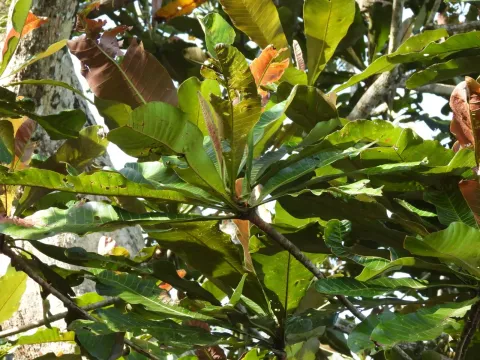
Campnosperma
Campnosperma
Campnosperma is a genus of tropical trees belonging to the Anacardiaceae family. These evergreen trees are prominent components of swamp forests and tropical ecosystems across Southeast Asia, the Malay Archipelago, and parts of the Americas.
What the section contains
 Campnosperma auriculatum
Campnosperma auriculatum
Campnosperma auriculatum
 Campnosperma brevipetiolatum
Campnosperma coriaceum
Campnosperma coriaceum
Campnosperma montanum
Campnosperma montanum
Campnosperma brevipetiolatum
Campnosperma brevipetiolatum
Campnosperma coriaceum
Campnosperma coriaceum
Campnosperma montanum
Campnosperma montanum
 Campnosperma panamense
Campnosperma panamense
Campnosperma panamense
 Campnosperma squamatum
Campnosperma squamatum
Campnosperma squamatum
 Ceylon campnosperma
Campnosperma zeylanicum
Ceylon campnosperma
Campnosperma zeylanicum
Campnosperma
The trees are specifically adapted to high-moisture environments, often flourishing in peat swamps and riparian zones. They are known for their ability to thrive in acidic, nutrient-poor soil conditions where many other tree species would fail to establish.
Optimal growth requires a strictly tropical climate characterized by consistently high temperatures and abundant rainfall throughout the year. The species is highly intolerant to cold, making it unsuitable for cultivation in temperate or even subtropical latitudes.
In silvicultural practices, Campnosperma is recognized for its rapid early growth rate. This biological trait makes it an attractive candidate for reforestation projects and sustainable forest management in degraded tropical lands.
The primary economic value lies in its lightweight and soft timber. The wood is widely utilized in the manufacturing of plywood, box crates, and general joinery, serving as a significant source of raw material in regional woodworking industries.
Fungal pathogens represent the most significant threat to Campnosperma plantations, particularly in environments with poor soil drainage. Root rot diseases can rapidly spread under waterlogged conditions, causing significant mortality among younger stands.
Stem-boring insects and various beetle larvae pose a constant danger to mature trees. These pests penetrate the bark and inner wood, compromising the structural integrity of the timber and significantly lowering its economic grade at harvest.
Defoliating insects can cause severe stress to nursery seedlings, retarding their growth and reducing overall plantation vigor. Integrated pest management, including biological controls, is often necessary to protect trees during their most vulnerable developmental stages.
Weed competition, particularly from fast-growing vines and invasive shrubs, is a persistent challenge in the establishment phase of plantations. Mechanical site preparation and systematic cleaning are required to ensure seedlings have adequate light and space.
Hydrological shifts, such as prolonged droughts or unexpected changes in groundwater levels, can disrupt the metabolic balance of the trees. Maintaining a stable moisture regime is essential to prevent physiological stress and vulnerability to secondary infections.