
Ceylon mango
Mangifera zeylanica
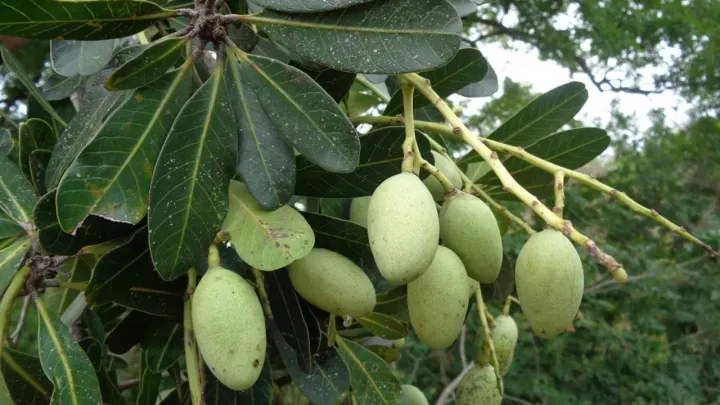
Description
Growing requirements
Ceylon mango (Mangifera zeylanica) is a distinct species within the Anacardiaceae family, native to the island of Sri Lanka. This evergreen tree is prized for its biological resilience and serves as a vital component of local tropical ecosystems.
The cultivation of this species requires a warm, humid tropical climate with minimal seasonal fluctuations. It is intolerant to frost and cold winds, which makes its distribution restricted to regions where environmental conditions remain stable throughout the entire year.
Soil requirements are quite specific: the tree thrives in deep, well-draining loamy soils. Good aeration of the root zone is mandatory, as any waterlogging can lead to rapid decline or root decay, often caused by fungal pathogens common in tropical zones.
Botanically, the plant features a dense, spreading canopy and leathery leaves that are adapted to high sunlight intensity. Its growth pattern is deeply influenced by monsoonal rainfall cycles, which trigger flowering and subsequent fruit development in its native range.
Economically, the species is utilized both as a food source and as a timber producer. Given its unique genetic makeup, it is also a subject of interest for breeders looking to introduce traits like specific disease resistance into commercial mango varieties.
Main diseases and pests
The primary threats to Ceylon mango include fungal diseases, with anthracnose being the most prevalent. This disease affects the leaves and reproductive parts of the tree, potentially leading to significant yield losses if left unmanaged.
Pests, particularly fruit flies and various sap-sucking insects, present a continuous challenge for growers. Implementing integrated pest management (IPM) practices is essential to maintain the health of the trees and ensure the production of high-quality fruit.
Proper canopy management is crucial to reduce the prevalence of diseases. By ensuring adequate airflow through regular pruning, growers can create conditions that are less favorable for fungal spore germination and pathogen spread.
Root system health is often compromised by inadequate soil management and poor drainage. Monitoring soil pH and organic matter levels is essential to help the tree maintain its natural defense mechanisms against soil-borne threats.
Mechanical damage to the bark can serve as an entry point for pathogens. Ensuring that the trees are protected from strong winds and maintaining a clean environment around the trunk base are standard practices to prevent long-term damage.