
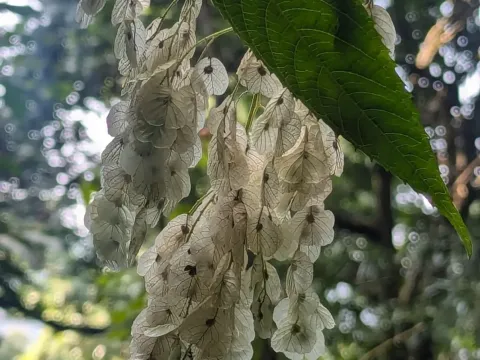
Dobinea
Dobinea
Dobinea is a small genus of plants belonging to the Anacardiaceae family. While not a common staple crop, it holds interest for botanical enthusiasts and specialized horticulture due to its unique growth habits and ornamental potential.
What the section contains

Dobinea
Seed propagation is the primary method of multiplication. Seeds typically require a period of cold stratification to break dormancy, mimicking the natural conditions of their high-altitude native environments in Asia.
Sowing should be performed in well-draining, nutrient-rich soil. Seeds are lightly covered and kept moist in a controlled environment, such as a greenhouse, to ensure a stable germination rate.
The seedling stage is characterized by slow development, requiring careful attention to watering and light exposure. Providing bright but indirect light is essential for robust seedling growth.
Alternatively, vegetative propagation through cuttings taken from semi-hardwood shoots can be successful if high humidity and root-promoting hormones are utilized during the rooting phase.
Dobinea thrives in climates that offer cool to moderate temperatures. It is sensitive to extreme heat and prolonged direct sun exposure, which can scorch its delicate foliage and cause rapid dehydration.
Soil structure is critical for this plant; it must be loose, aerated, and rich in organic matter. Avoid heavy clay soils that retain moisture for too long, as they frequently lead to root rot issues.
The plant prefers partial shade or dappled sunlight, replicating the conditions found in forest edges or under the canopy of larger trees. This is particularly important for young plants during their first years.
Regular monitoring of moisture levels is required. While Dobinea needs consistent hydration, it does not tolerate waterlogging, requiring a sophisticated drainage system if cultivated in pots or raised beds.
Fertilization with a balanced, slow-release NPK formulation during the growing season supports the development of lush foliage. Avoid excessive nitrogen applications in late summer to prevent vulnerable succulent growth before winter.
Root rot is the most common threat, primarily caused by fungal pathogens when the soil is overly saturated. Ensuring proper drainage is the best preventative measure against this physiological and pathological stress.
Spider mites are common pests that thrive in warm, dry environments. They damage the foliage by piercing the leaf cells, which can lead to premature leaf drop if the infestation remains untreated.
Aphids can frequently colonize the tender tips of new shoots. They cause deformation of growth and may act as vectors for viral diseases, making periodic inspection and manual removal or soap treatments necessary.
Leaf spot diseases may occur under conditions of poor air circulation and high humidity. Proper spacing between individual plants is vital to promote the airflow required to keep the foliage dry.
Integrated pest management, including the use of neem oil or insecticidal soaps, is recommended for controlling common pests without disrupting the ecological balance of the surrounding planting site.