
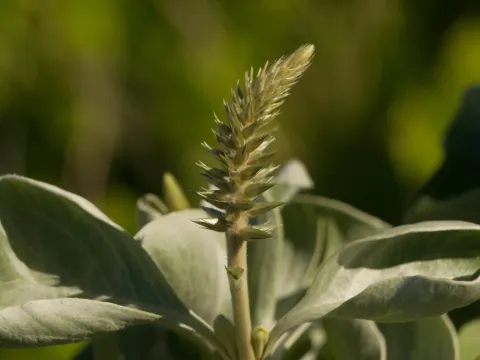
Achyranthes splendens
Achyranthes splendens
Achyranthes splendens belongs to the Amaranthaceae family and is recognized for its unique biological properties. Sowing usually occurs in early spring, once soil temperatures consistently reach 15-18 degrees Celsius, ensuring favorable conditions for germination.
What the section contains
Achyranthes splendens
Seeds are sown at a shallow depth of approximately 0.5 to 1 centimeter, which is critical for accessing the light levels necessary to trigger the germination process. Proper spacing between rows, typically around 30-45 centimeters, is maintained to maximize crop potential.
Indoor seed starting in late February is common for regions with shorter growing seasons, allowing for earlier field establishment. The substrate must be well-drained and nutrient-rich to support the initial development of the root system.
Achyranthes splendens requires a consistent moisture level during the first two weeks of emergence. Using professional seeding equipment ensures uniform distribution and optimal density for future maintenance operations.
Once seedlings achieve a height of 5-8 centimeters, they are ready for hardening-off, which involves gradually acclimating them to outdoor conditions before final transplanting into the field.
The plant thrives in full sun exposure, which is essential for maintaining the characteristic luster of its foliage. While it displays some shade tolerance, maximum vigor is observed in open, well-lit environments.
Soil quality is paramount; the plant prefers well-drained, sandy-loam soils with a neutral or slightly alkaline pH. Drainage is the most important factor, as the species is highly susceptible to root damage in waterlogged conditions.
Adaptability to arid conditions is a notable feature, inherited from its native habitat. Despite this drought tolerance, supplemental irrigation during peak growth phases significantly increases biomass production.
Optimal temperature regimes range between 18 and 28 degrees Celsius. Extreme cold or frost must be avoided, as the species lacks significant winter hardiness and can suffer irreversible cellular damage at temperatures below 10 degrees.
Regular fertilization with balanced NPK formulas is recommended, particularly during the vegetative phase. Micronutrients like magnesium and iron may also be beneficial for foliage health and appearance.
Spider mites are the most common pest observed in Achyranthes splendens crops, especially under greenhouse conditions. These pests can rapidly colonize the undersides of leaves, requiring swift intervention with biological or chemical controls.
Fungal pathogens such as powdery mildew and root rot represent significant threats to crop yields. These are typically managed by ensuring proper air circulation and avoiding the overhead watering of foliage.
Root-knot nematodes can impact plant vitality when grown in non-rotated fields for extended periods. Implementing a strict crop rotation schedule is necessary to mitigate the buildup of soil-borne pathogens.
Aphids occasionally target young shoots, leading to stunted growth and leaf distortion. Early detection using yellow sticky traps is a standard practice for maintaining effective control over pest populations.
General hygiene, including the removal of dead plant debris and the sanitation of tools, remains the most effective defense against disease transmission within the cultivated plot.