
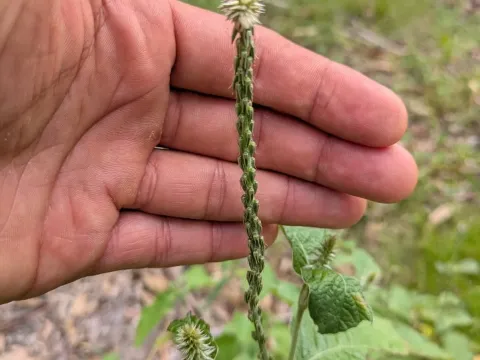
Achyranthes
Achyranthes L.
The sowing of Achyranthes is typically conducted in the spring when soil temperatures reach 15–18°C. Mid-May is considered the optimal window to ensure that young seedlings are safe from late frost events.
What the section contains


Achyranthes
Seeds should be sown at a depth of 1–2 centimeters, ensuring good contact with the moist soil for optimal germination. Commercial plantings generally use a row-based system with intervals of 40–50 cm.
In regions with mild winters, autumn sowing can be performed, but it requires thorough mulching. This practice can help farmers capitalize on early spring moisture for better establishment.
Transplanting seedlings grown in greenhouses is another efficient method. Seeds are started in late March, and hardening-off ensures that seedlings are ready for field conditions once they develop 3–4 true leaves.
Maintaining appropriate stand density is crucial for crop development; overcrowding should be avoided as it hinders root development and promotes the spread of humidity-related pathogens.
Achyranthes belongs to the Amaranthaceae family and is an adaptable herb. It thrives in sunny locations as direct sunlight is essential for the accumulation of active compounds within the plant's roots.
The crop requires fertile, well-draining soil with a neutral to slightly acidic pH. Heavy clay soils are unsuitable unless amended with sand or organic compost to improve aeration and drainage.
Consistent moisture is required during the active growth phase, making irrigation essential for areas with irregular rainfall. However, farmers must prevent waterlogging, which often leads to root decay.
An optimal growth temperature is between 20–25°C. Lower temperatures will significantly slow down development, requiring growers to time their planting accordingly for maximum season length.
Nutrient management involves split fertilizer applications. Nitrogen-based fertilizers are preferred in the early stages, while phosphorus and potassium are crucial mid-summer for root expansion.
Achyranthes yield is heavily influenced by site conditions and crop maturity. Under well-managed systems, dry root yields can reach approximately 1.5 to 2 metric tons per hectare.
Studies show that harvesting at the end of the second year produces higher concentrations of bioactive compounds like ecdysteroids. Therefore, biennial cropping is often more profitable than annual harvest.
Optimizing planting density and controlling weed competition in the first month are the most significant factors that can boost final yield by up to 30%. Using high-quality seed also minimizes growth irregularities.
While roots are the primary economic part, green matter may be harvested in smaller quantities for medicinal use, provided that the plant's structural health is not compromised.
Economic success is largely driven by the demand from the pharmaceutical sector, necessitating strict adherence to drying and processing standards to ensure high-grade end products.
Powdery mildew represents a significant threat during periods of high humidity and poor air circulation within the fields. Preventive measures include proper spacing and timely foliage inspections.
Fusarium wilt is a severe fungal issue that attacks the root system. Effective management relies on crop rotation and ensuring that fields are well-drained to avoid saturated soil conditions.
Pests such as aphids and spider mites can damage tender foliage. Monitoring is essential during dry weather, as these pests reproduce rapidly and can stunt the plant's growth.
Integrated pest management (IPM) is recommended, utilizing biological controls and ensuring that the field remains free of competing weeds that harbor pests.
- Regular field scouting
- Use of certified pathogen-free seeds
- Strategic irrigation management
Harvesting the roots of Achyranthes takes place in late autumn after the foliage has naturally withered. This timing ensures that the plant has stored maximum nutrients in the root system.
Mechanical harvesting is generally employed, using specialized equipment that lifts the roots without breaking them. The roots must be cleaned of soil debris immediately after extraction.
Initial drying occurs in shaded, well-ventilated sheds to preserve the volatile compounds. Further processing in temperature-controlled kilns at 40–45°C ensures the desired moisture content.
If foliage is harvested for leaf-based medicinal products, it should be collected at the onset of the flowering stage, followed by rapid drying to maintain the green color and efficacy.
Final storage must be in cool, dry areas with limited exposure to light, as the bioactivity of the dried product can degrade over time if exposed to heat or moisture.