
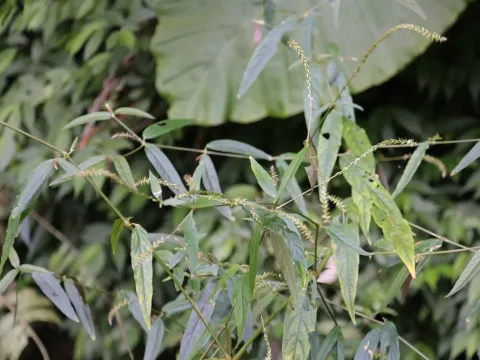
Achyranthes longifolia
Achyranthes longifolia
Achyranthes longifolia is a perennial herbaceous plant belonging to the Amaranthaceae family. It is native to tropical regions where it thrives in warm and humid environmental conditions.
What the section contains
Achyranthes longifolia
The cultivation of this plant requires well-drained, nutrient-rich soils. It does not tolerate waterlogging, which necessitates careful site selection and the preparation of proper drainage systems.
Regarding climate, the plant prefers full sun exposure to semi-shade conditions. It is highly sensitive to frost, making it suitable mainly for tropical or controlled indoor cultivation environments.
Agronomic practices focus on maintaining optimal soil moisture levels without causing saturation. Mulching can be used to regulate soil temperature and moisture throughout the growing season.
The primary agricultural interest in this species lies in its secondary metabolites. These compounds have various applications, mainly in traditional and modern herbal pharmaceutical sectors.
The most significant pathological threats to Achyranthes longifolia include root rot diseases caused by soil-borne fungi, typically occurring in poorly aerated or waterlogged areas.
Pests such as aphids and spider mites are common concerns for commercial growers. These insects can quickly colonize the foliage, significantly affecting the yield of botanical material.
Powdery mildew represents a major leaf-related threat, especially in environments with high humidity and insufficient air circulation around the plants.
Integrated pest management strategies are advised, emphasizing biological controls to ensure the harvested material remains free from chemical residues.
Standard cultural practices, including consistent crop scouting and removing debris, are essential to keep the plantation healthy and reduce the risk of disease spread.