
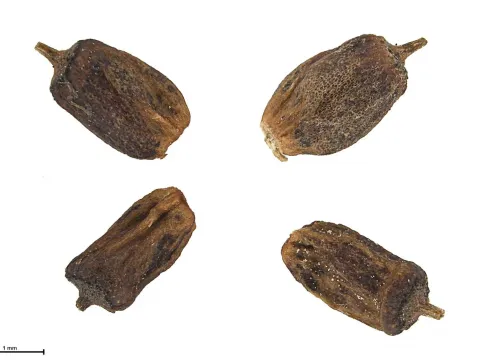
Achyranthes mutica
Achyranthes mutica
Achyranthes mutica is a notable member of the Amaranthaceae family, characterized by its specific morphological traits and growth habits. This plant is studied for its adaptability and potential for cultivation in specialized agricultural systems.
What the section contains
Achyranthes mutica
Originating from tropical and subtropical climates, the plant thrives in environments with high humidity and consistent temperatures. It requires loose, well-draining soils with a balanced nutritional profile to achieve optimal vegetative growth.
The crop is highly light-demanding, requiring full exposure to solar radiation throughout the growing cycle. Insufficient light levels can result in stunted growth and a significant reduction in the quality of the harvested biomass.
Climate management is essential for successful production. Ideally, temperatures should be kept between 20°C and 28°C. Being frost-sensitive, the plant is typically grown as an annual in temperate zones or within controlled greenhouse environments.
Soil management includes consistent moisture levels, avoiding extreme dehydration or waterlogging. Regular fertilization with organic or mineral nitrogen sources is recommended to support rapid biomass development during the vegetative stage.
The primary threats to Achyranthes mutica involve fungal pathogens that affect the root system, especially when soil moisture levels are poorly managed. Root rot is a common issue if drainage is inadequate.
Pest pressures primarily come from sap-sucking insects like aphids and spider mites. These pests tend to colonize the plant during hot and dry periods, potentially causing leaf yellowing and reduced vigor if left untreated.
Integrated Pest Management (IPM) is the suggested approach for maintaining healthy crops. This includes using resistant cultivars where available and employing biological controls to minimize chemical dependency.
Weed control is also vital during the initial establishment of the crop, as Achyranthes mutica can be outcompeted by aggressive weeds in the early weeks. Mechanical cultivation between rows is often the most efficient method.
Monitoring the field for signs of viral or bacterial infections is necessary, as these can spread rapidly in high-density plantings. Proper sanitation and tool sterilization are crucial to minimize risks to the harvest.