
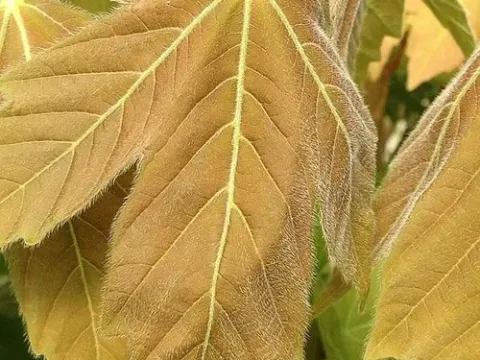
Franchet's Maple
Acer franchetii
Franchet's Maple (Acer franchetii) is a deciduous woody species belonging to the Sapindaceae family. It is recognized for its unique leaf morphology and architectural branching habit, which make it a valuable addition to arboretums.
What the section contains
Franchet's Maple
The tree originates from the mountainous forests of China, primarily in the provinces of Sichuan and Yunnan. In its native habitat, it thrives in cool, humid environments with well-drained, nutrient-rich forest soils.
For successful cultivation, site selection is critical. The tree prefers a location that provides partial shade, particularly protecting the foliage from intense afternoon sun, which can cause leaf scorch in drier climates.
Soil structure should be friable and moisture-retentive but never waterlogged. Incorporating organic matter, such as compost or leaf mold, into the planting pit helps mimic the natural environment of this species and improves soil health.
Regular mulching around the base is recommended to maintain stable soil moisture levels and protect the shallow root system from extreme temperature fluctuations during summer or winter months.
Verticillium wilt is a significant threat to Acer franchetii. This soil-borne fungal disease impacts the vascular system, leading to sudden wilting of branches. There is no cure, so prevention through site management is essential.
Aphids often colonize the underside of leaves during the spring. While rarely fatal for healthy, mature trees, high populations can stunt growth and promote the development of sooty mold on the leaf surfaces due to honeydew secretion.
Leaf spot diseases, caused by various fungal pathogens, may occur in seasons with persistent rainfall. Good air circulation through proper pruning and the removal of infected debris are key management practices.
Borers are wood-inhabiting insects that can cause structural damage to the trunk. Keeping the tree vigorous through appropriate fertilization and irrigation helps the plant naturally resist infestation by these pests.
Physical damage to the bark by mowers or trimmers creates entry points for pathogens. Always maintain a grass-free zone around the trunk and use proper tools to ensure the health of the tree's outer layer.