
Hairy maple
Acer pilosum
Description
Growing requirements
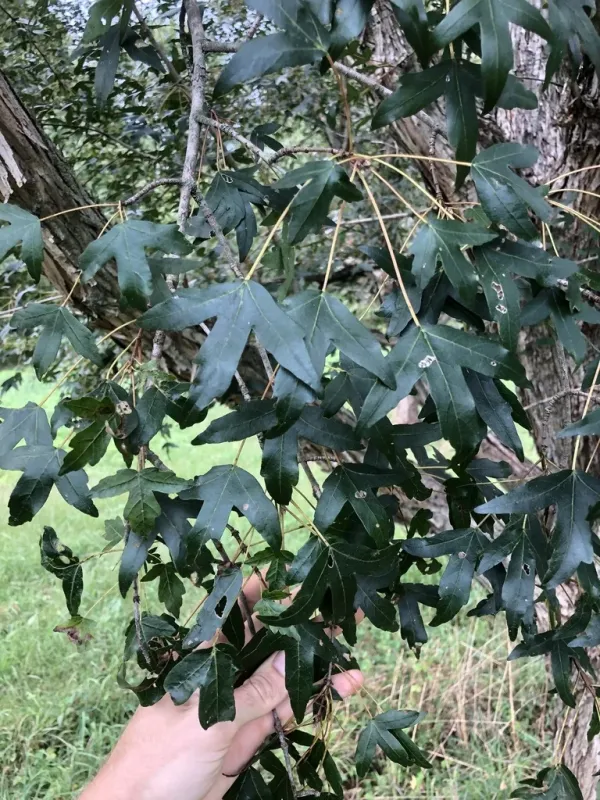
Hairy maple (Acer pilosum) is an interesting species belonging to the Sapindaceae family, native to the temperate regions of China. This tree is characterized by the presence of trichomes, or fine hairs, on its young shoots and the undersides of its leaves, which gives the species its distinctive appearance and name. It is highly valued in botanical collections for its unique texture and structural aesthetics.
From a botanical perspective, it is a deciduous tree that exhibits slow development, often requiring patient cultivation. Its leaves are usually palmately lobed, and the plant maintains a moderate growth rate once established in suitable environmental conditions. The species is adapted to habitats that offer consistent moisture levels without constant waterlogging.
Regarding its environmental requirements, Acer pilosum thrives in fertile, well-drained loamy soils with a slightly acidic to neutral pH. It is essential to ensure that the planting site has good soil aeration to prevent root rot, especially in young saplings. Providing a location with partial shade is recommended to protect the foliage from sun scorch during peak summer temperatures.
Agrotechnical practices for this culture involve a balanced fertilization program applied in early spring to support leaf development. Regular monitoring of soil moisture is crucial, and mulching around the base of the tree is highly encouraged to maintain stable root temperature and moisture levels. Occasional structural pruning helps maintain the plant's shape and promotes vigorous growth in the following season.
The primary use of the Hairy maple is in ornamental landscaping and as a specimen tree in private gardens and botanical estates. Its aesthetic value makes it a perfect addition to landscape design projects requiring unique foliage textures. Additionally, the species is studied for its potential in regional reforestation projects that aim to restore ecological balance in mountainous areas of its origin.
Main diseases and pests
Disease management for the Hairy maple focuses on controlling fungal pathogens like powdery mildew, which can thrive in high-humidity environments. To mitigate these risks, it is important to avoid overhead irrigation and ensure adequate spacing between plants to allow for proper airflow. Fungicidal sprays may be required if signs of infection appear on the foliage.
Insects such as aphids and scale insects are the most common pests affecting this species. They target the succulent growth and sap, which can weaken the tree if left uncontrolled. Integrated pest management strategies, including the introduction of beneficial insects or the targeted use of systemic insecticides, are effective ways to protect the Hairy maple from significant damage.