
Fenzel's maple
Acer fenzelianum
Description
Growing requirements
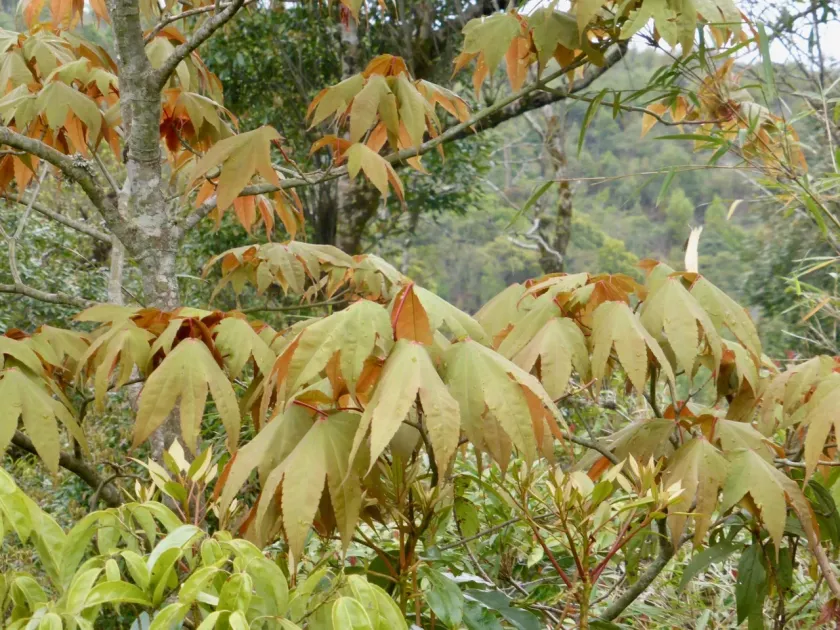
Fenzel's maple (Acer fenzelianum) is a deciduous tree species belonging to the Sapindaceae family. It is naturally distributed across the mountainous regions of Southeast Asia, thriving in high-altitude environments.
The species prefers a temperate to subtropical climate with high humidity and well-distributed rainfall. It is best adapted to regions that do not experience harsh, long-lasting winter frosts, which can damage the canopy.
For optimal growth, this maple requires deep, fertile, and well-drained soil with a slightly acidic to neutral pH. It is particularly sensitive to waterlogging, which often leads to root collar rot and general tree decline.
When selecting a site for planting, consider the need for protection from direct, high-intensity sunlight during the early stages of development. Partial shade is highly recommended for saplings to prevent bark scorching.
Maintenance involves providing adequate space for root expansion and using organic mulch to maintain stable soil temperature and moisture levels. Consistent care in the first three years significantly improves long-term survival rates.
Yield
Fenzel's maple is primarily valued for its durable and high-quality timber. The wood is sought after in furniture manufacturing and specialized cabinetry due to its distinct grain and relative stability after seasoning.
In landscaping, this species serves as a specimen tree for large parks and arboretums. Its seasonal foliage color changes and structural form contribute significantly to the aesthetic value of public green spaces.
The tree plays an essential role in ecological restoration and slope stabilization. Its widespread root system helps bind mountain soils, effectively reducing erosion in forest-prone areas of its native range.
It also functions as an important melliferous plant within its ecosystem, providing early-season nectar resources for various pollinating insects, which supports the local biodiversity of the surrounding forest edges.
Furthermore, research potential for this species remains high, particularly in understanding its genetic resilience to specific fungal diseases and its adaptation to mountain microclimates in changing environmental conditions.
Main diseases and pests
Verticillium wilt is a major threat to Acer fenzelianum, as it attacks the plant's vascular system. Preventive measures include using clean tools and avoiding over-watering, which favors the fungal pathogen.
Leaf-feeding insects, such as aphids and various caterpillars, can cause significant defoliation during the growing season. Integrated pest management strategies are advised to keep populations below economic damage thresholds.
Powdery mildew often appears during periods of high humidity and poor airflow within the canopy. Improving ventilation through careful pruning is the most effective way to prevent fungal spore germination on the leaves.
Wood-boring beetles present a danger to older or stressed trees. Maintaining tree vigor through proper fertilization and watering is the best defense against these internal pests, as healthy trees often resist infestation.
Environmental stressors such as salt spray or mineral deficiency can induce leaf chlorosis. Soil testing is recommended to ensure that micronutrient levels, especially iron and magnesium, are balanced for healthy growth.