
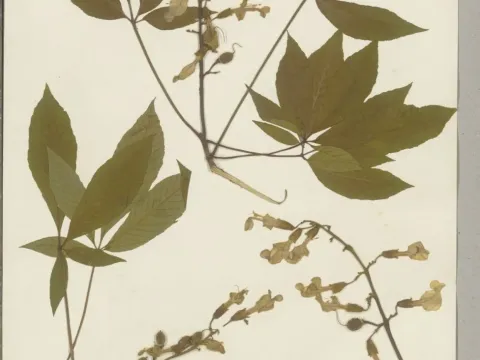
Glaucous horse chestnut
Aesculus glaucescens
The propagation of the glaucous horse chestnut (Aesculus glaucescens) is primarily conducted through seeds in nursery settings. Fresh seeds should be sown in the autumn immediately after harvest to allow for natural stratification in the soil throughout the winter months.
What the section contains
Glaucous horse chestnut
If sowing is planned for the spring, seeds require artificial stratification at low positive temperatures for approximately 2 to 3 months. Planting depth should be maintained at 5–7 centimeters to protect the embryo and promote robust root system development.
It is crucial to monitor the moisture level of the seeds, as they lose viability rapidly if allowed to dry out. Optimal nursery spacing involves placing 10–15 plants per linear meter to ensure that each seedling has adequate access to soil nutrients and water.
Germination occurs in the spring when soil temperatures reach 10–12 degrees Celsius. During this early stage, it is vital to prevent the soil surface from crusting, which can hinder the emergence of the delicate shoots from the ground.
Transplanting to a permanent location is best performed when the tree is between 3 and 5 years old. This timing ensures that the root system is sufficiently developed to survive the stress of relocation, with early spring or late autumn being the most suitable windows.
Belonging to the Sapindaceae family, the glaucous horse chestnut is a relatively demanding species. It thrives in deep, fertile loamy soils that possess excellent drainage qualities while maintaining a consistent level of moisture throughout the growing season.
While the tree shows moderate resilience to climatic stresses, young specimens require protection from harsh winds. The species performs best in sunny locations but is capable of tolerating light shade without significant impact on its overall physiological health.
The ideal soil pH is neutral to slightly acidic. The presence of excessive salts or high alkalinity can lead to leaf chlorosis, which stunts the tree's growth and drastically diminishes its aesthetic value as an ornamental landscape tree.
Standard horticultural practices should include the regular application of organic fertilizers during the tree's establishment phase. In arid conditions, supplementary irrigation is essential, as the large surface area of the leaves leads to high rates of evapotranspiration.
The tree exhibits fair cold hardiness suitable for temperate climates, although young trees benefit from mulching around the root collar to provide protection against severe frost. Regular soil aeration is beneficial for maintaining root health.
The most significant threat to many horse chestnut species, including this one, is the horse chestnut leaf miner (Cameraria ohridella). This pest causes leaf browning and premature drop, which significantly taxes the tree's energy reserves over time.
Fungal pathogens like leaf blotch (Guignardia aesculi) are common in conditions of high humidity. The symptoms include dark spots with yellow margins that eventually coalesce, potentially leading to widespread foliage loss if left untreated.
Wood-boring insects may target the species, especially if the tree is already suffering from environmental stress. Continuous health monitoring is essential to detect early infestations and remove any damaged or dying branches that could serve as breeding grounds for pests.
Powdery mildew can affect seedlings in dense nursery conditions, manifesting as a white coating on the leaves. Systematic fungicide applications at the start of the vegetative phase are recommended to suppress the development of this fungus.
- Regular preventative insecticide spraying during early spring.
- Sanitary pruning of dead or diseased branches to prevent spreading.
- Prompt removal and destruction of fallen leaves in autumn.
- Balanced fertilization schedules to boost the tree's natural resistance.