
Glenniea
Glenniea
Glenniea is a genus of evergreen trees and shrubs belonging to the family Sapindaceae. This plant is primarily found in tropical habitats across Africa and Asia, where it thrives in warm and humid ecological conditions, serving as a significant component of local forest biodiversity.
What the section contains


Glenniea
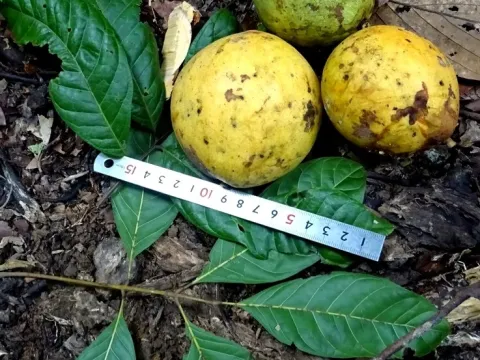
From a botanical perspective, the plant is characterized by its alternate, compound leaves and small flowers arranged in panicle-like inflorescences. The fruits are typically capsules or drupe-like structures, which often contain seeds enveloped in a fleshy aril, typical for members of the soapberry family.
The successful cultivation of Glenniea requires a consistently warm climate without frost or extreme temperature fluctuations. As a tropical plant, it is strictly limited to equatorial zones where humidity levels remain high throughout the year to support active vegetative growth.
Regarding soil requirements, the genus prefers well-drained, nutrient-rich substrates with a slightly acidic to neutral reaction. Adequate drainage is crucial, as the root system is sensitive to waterlogging, which can lead to fungal infections and decline in overall plant health.
While Glenniea is not widely cultivated as a major commodity crop, it possesses potential in niche sectors, including ornamental horticulture and traditional ethnobotanical applications. Ongoing research focuses on assessing its environmental adaptability and potential uses for its wood and secondary metabolites.