
Fullmoon maple
Acer japonicum
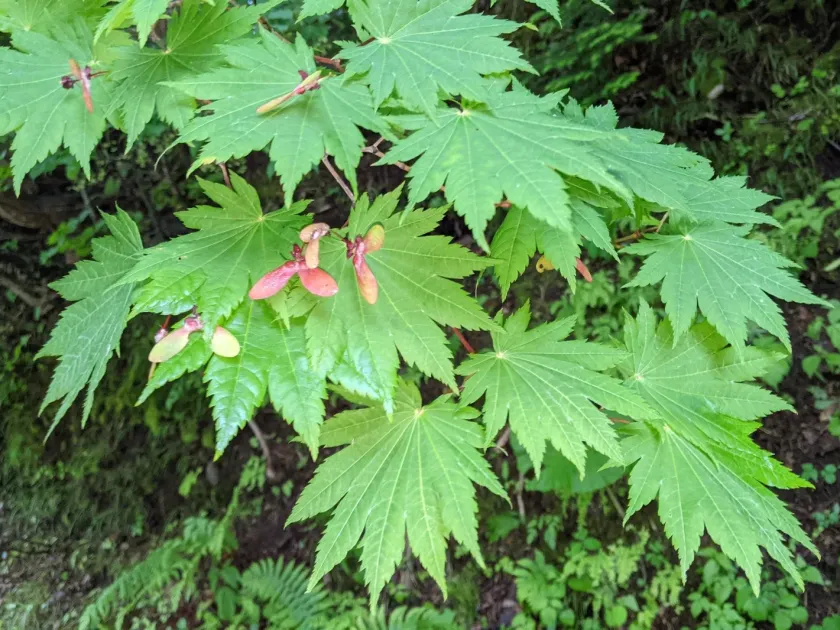
Description
Sowing dates
Propagation of the Fullmoon maple is commonly performed via seeds, which require a lengthy cold stratification period of three to four months to ensure successful germination.
Seeds should be sown in early autumn into a well-drained medium, allowing them to remain outdoors throughout the winter season to naturally trigger the breaking of dormancy in early spring.
Cuttings are a preferred method for maintaining the characteristics of specific cultivars. Semi-hardwood cuttings should be taken in mid-summer and kept under mist or plastic covers to maintain high humidity.
Young plants require protected environments; providing dappled shade and consistent shelter from wind is essential to ensure the delicate seedlings thrive during their early growth phase.
Patience is required for this species, as its growth rate is notably slow compared to other maples. Proper container management during the first few years ensures a stronger root system before transplanting.
Growing requirements
The Fullmoon maple, part of the Sapindaceae family, is native to the woodlands of Japan and South Korea, naturally thriving in moist, temperate conditions with rich, acidic soil.
Optimal site selection is crucial for the tree's health; it requires fertile, well-draining soil that is rich in organic matter. Waterlogged conditions can quickly lead to lethal root decay.
This species prefers a location with morning sun and afternoon shade, as its distinctive leaves are prone to scorching if exposed to intense, direct summer heat for extended periods.
Climatic requirements involve stable temperatures and consistent moisture. While reasonably hardy, the tree benefits from protection against harsh winter winds and deep freezing cycles.
Mulching the root area with wood chips or organic compost is highly recommended to regulate soil temperature and moisture levels, mimicking the natural forest floor habitat.
Main diseases and pests
Verticillium wilt remains the most significant threat to the Fullmoon maple; this fungal pathogen resides in the soil and infects the tree through the roots, often causing sudden branch dieback.
Powdery mildew is a common fungal issue, particularly in humid or stagnant air environments, causing a white, dusty layer to form on the foliage, which reduces the plant's aesthetic value.
Pest issues often include aphids, which cluster on new growth, and spider mites, which thrive in dry conditions and cause foliage to appear speckled and unhealthy.
Integrated pest management, including regular inspection and the use of targeted systemic treatments, is the standard approach to keeping the tree healthy and vigorous.
- Sanitary pruning of dead branches to prevent disease spread.
- Ensuring adequate spacing to facilitate healthy air circulation.
- Applying horticultural oils during dormancy to suppress overwintering pests.