
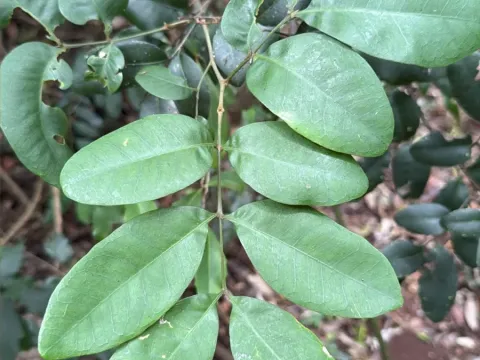
Guioa
Guioa
The genus Guioa belongs to the soapberry family, Sapindaceae. Native to the tropical regions of Southeast Asia, Australia, and the Pacific Islands, these evergreen trees and shrubs are well-adapted to humid, tropical forest environments where they thrive in the understory or forest canopy layers.
What the section contains


Guioa
For successful growth, Guioa species require warm temperatures year-round. They are strictly tropical plants that cannot tolerate frost or prolonged cold snaps. Ideal growing conditions involve consistent ambient warmth and high humidity levels, which help maintain the lush appearance of their foliage.
Soil requirements for Guioa center on fertility and drainage. The plants perform best in rich, well-draining soils that are slightly acidic to neutral. Ensuring the substrate does not stay waterlogged is crucial, as the root systems are susceptible to fungal rot in anaerobic conditions.
Botanically, Guioa is characterized by alternate, pinnately compound leaves and small, often inconspicuous flowers arranged in panicles. The fruits are typically dehiscent capsules that split open to reveal seeds, which are frequently adorned with a colorful aril, an evolutionary strategy to attract avian seed dispersers.
In terms of economic and practical use, Guioa is primarily valued in ornamental horticulture within tropical landscapes. Its glossy, attractive foliage and moderate growth habit make it an excellent choice for hedge formation, screening, and as a specimen tree in tropical botanical gardens.
The primary threats to Guioa health include fungal leaf spots and root rots, often exacerbated by poor air circulation and excessive soil moisture. These diseases can cause severe defoliation and, if left untreated, the eventual decline of the plant specimen.
Insect pests, such as scale insects and mealybugs, frequently infest the stems and leaves. By feeding on plant sap, these pests weaken the tree and excrete honeydew, which serves as a substrate for sooty mold, further impeding the plant's ability to photosynthesize effectively.
Management of pest populations requires integrated pest management (IPM) practices, including the use of horticultural oils or systemic insecticides. Regular pruning to improve canopy airflow is a highly effective cultural practice for reducing pest and disease pressure.
Nematodes can pose a hidden threat, especially in sandy or degraded soils where they damage roots and hinder nutrient uptake. Improving soil organic matter content can help mitigate nematode damage by promoting a healthy soil microbiome that competes with pathogens.
Constant monitoring is essential for early detection of stress symptoms. Keeping the plants well-hydrated and fertilized according to their specific developmental stage ensures they possess the vigor necessary to recover from minor pest or environmental challenges.