
Filicium
Filicium
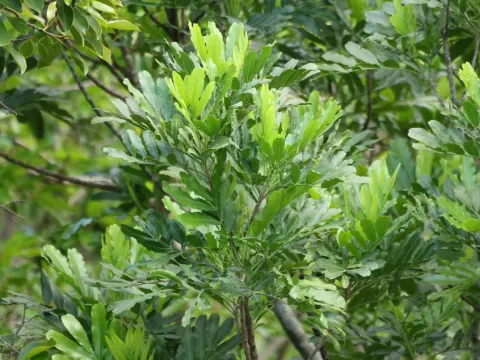
Filicium is a genus of evergreen trees belonging to the Sapindaceae family. The most widely recognized species, Filicium decipiens, is native to tropical forests of East Africa, India, and Sri Lanka.
What the section contains
Filicium
This species thrives in tropical climates where temperatures remain consistently warm throughout the year. It does not tolerate frost, making it suitable only for specific hardiness zones.
When choosing a planting site, it is essential to prioritize well-draining soils. While the tree can tolerate various soil types, it performs best in rich, slightly acidic substrates with adequate organic matter.
Filicium is prized for its dense, fern-like foliage which provides excellent shade. It requires full sun exposure to maintain its characteristic compact shape and lush green color.
In terms of maintenance, this tree is relatively low-input once established. It requires consistent irrigation during its early development phase but becomes moderately drought-tolerant as it matures.
The tree is susceptible to several sap-sucking insects, with scale insects and mealybugs being the most common. These pests can weaken the tree if left untreated, leading to stunted growth.
Root rot remains the most significant threat to Filicium, particularly in areas with poor drainage or during periods of excessive rainfall. Proper soil aeration is the primary preventative measure.
Sooty mold may develop on the leaves as a secondary issue following pest infestations, as the mold feeds on honeydew secreted by insects. Cleaning the leaves and treating the pests is essential.
Nutrient deficiencies can manifest as foliage yellowing. Regular soil analysis is recommended to ensure the tree receives adequate nitrogen, phosphorus, and trace minerals like iron and magnesium.
Integrated Pest Management (IPM) strategies, including the introduction of beneficial predatory insects, are effective in controlling populations of pests without disrupting the local ecosystem.