
Freeman Maple
Acer freemanii
Description
Growing requirements
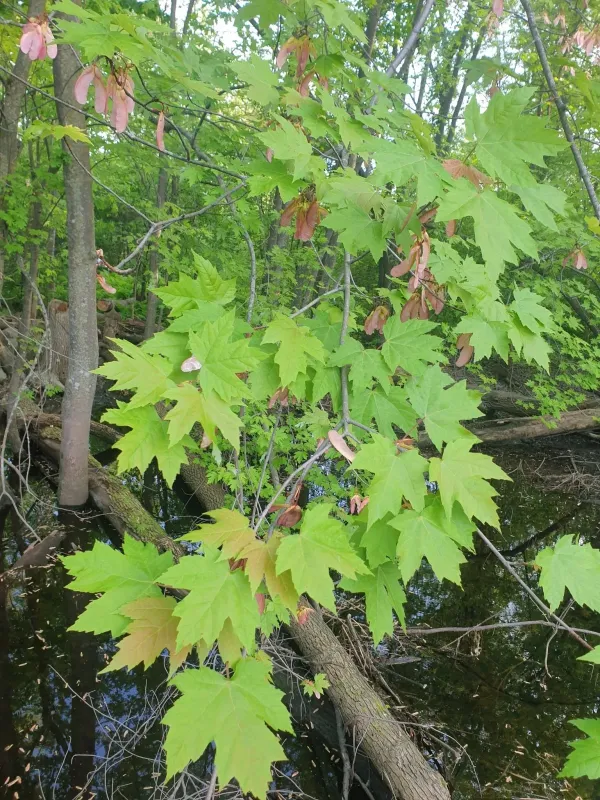
Freeman Maple (Acer freemanii) is a natural hybrid between red maple and silver maple, belonging to the Sapindaceae family. This deciduous tree is recognized for its vigorous growth rate and resilience, inheriting the most desirable traits from both parent species.
The tree thrives in full sun to partial shade, requiring adequate light to maintain its vibrant foliage and structural integrity. It is adaptable to a wide range of soil types, though it performs best in fertile, moist, and well-drained soils with a slightly acidic to neutral pH balance.
Renowned for its excellent cold hardiness, the Freeman Maple is suitable for planting in various temperate climates. It shows good tolerance to seasonal temperature fluctuations, maintaining its ornamental appeal throughout the growing season without significant stress.
Cultural practices include regular irrigation, particularly for young trees during their establishment phase. Once mature, the tree demonstrates notable drought tolerance, though supplemental watering during prolonged dry spells helps ensure optimal growth and lush foliage development.
Economically and aesthetically, the Freeman Maple is widely utilized in urban forestry, public parks, and large garden landscapes. Its rapid growth and spectacular autumn color palette make it a preferred choice for designers looking to achieve an immediate visual impact in landscape architecture.
Main diseases and pests
The primary health concerns for Freeman Maple include fungal issues such as leaf spot or powdery mildew, which often occur in environments with poor air circulation or excessive humidity during the peak growing season.
Pests that may occasionally affect the tree include aphids, scale insects, and spider mites. Monitoring the canopy for signs of infestation and maintaining overall tree vigor through proper nutrient management are essential strategies for protecting the tree from major damage.