
Fan-leaved maple
Acer flabellatum
Description
Growing requirements
The fan-leaved maple (Acer flabellatum) is a distinct species within the Sapindaceae family, valued primarily for its ornamental foliage and graceful growth habit. Native to the mountain forests of East Asia, this tree has adapted to thrive in sheltered, cool environments.
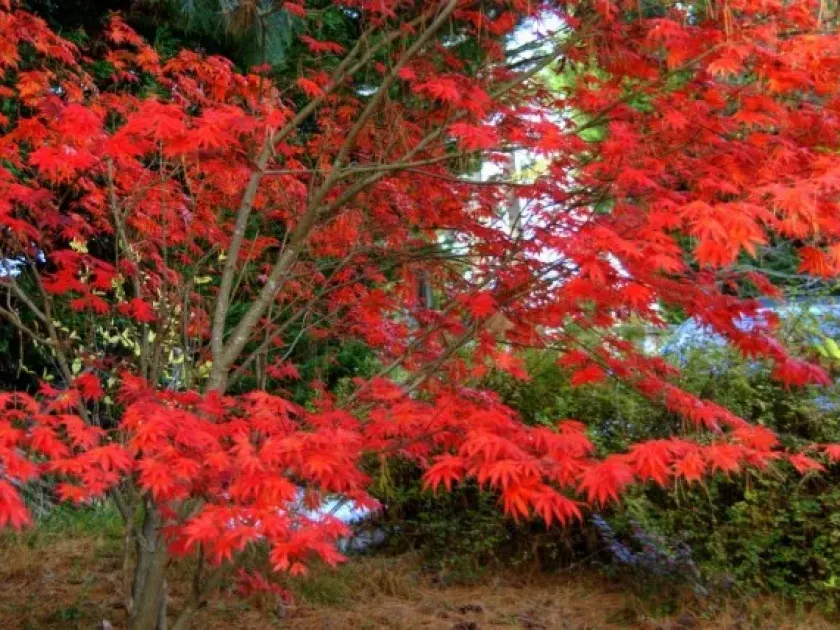
Botanically, the species is characterized by its palmately lobed leaves that often display vibrant shades of green, red, or bronze throughout the growing season. The plant typically grows as a small deciduous tree or a large shrub, making it suitable for a variety of landscape applications.
Cultivation success depends on providing well-draining, acidic to neutral soil enriched with organic matter. Proper aeration of the root zone is crucial, as the fan-leaved maple is highly sensitive to waterlogged soil conditions, which can lead to rapid root decay.
Climatic requirements involve protection from harsh, dry winds and direct, intense sunlight, especially during the summer heat. In temperate regions, it benefits from a location that offers dappled sunlight, ensuring the delicate leaves do not suffer from marginal scorching.
Agricultural and horticultural use is primarily dedicated to aesthetics. This maple is a staple in Japanese-style garden designs, container gardening, and high-end residential landscaping, where its structural beauty serves as a year-round focal point.
Main diseases and pests
The primary pathological threats include fungal infections such as Verticillium wilt, which can cause sudden branch dieback. Implementing good sanitation practices, such as sterilizing pruning tools, is essential to prevent the spread of soil-borne pathogens.
Common pests affecting this maple include spider mites and aphids, which can compromise the tree's health by feeding on sap and foliage. Management strategies involve monitoring for early infestations and applying horticultural oils or appropriate insecticides to mitigate damage.