
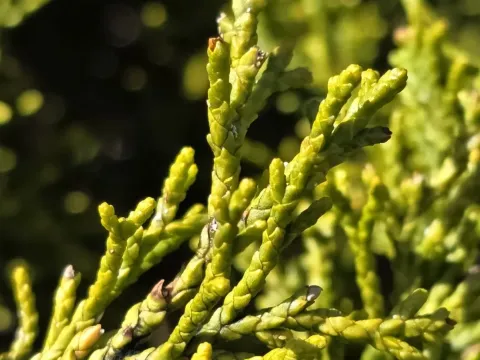
Dacrydium bidwillii
Dacrydium bidwillii
Dacrydium bidwillii, commonly known as the mountain rimu or bog pine, is a distinct coniferous shrub belonging to the Podocarpaceae family. This species is endemic to New Zealand, primarily found in subalpine scrublands and peat bogs, which dictates its specific environmental preferences in cultivation.
What the section contains
Dacrydium bidwillii
The plant exhibits a slow-growing, often prostrate or spreading habit, making it highly suitable for rock gardens. Its foliage varies from juvenile linear leaves to adult scale-like leaves that form dense, bronze-green branchlets. This slow rate of growth ensures that the plant remains compact for many years.
The climate requirements for Dacrydium bidwillii focus on high humidity and cool, moderate temperatures. It thrives in regions where the air is cool and moist, as it lacks natural tolerance for prolonged heat waves and arid conditions which can cause foliage desiccation.
Soil management is critical for this species; it requires moist, acidic, and well-draining soils. Peaty loams are preferred, as they retain necessary moisture while allowing excess water to escape. Maintaining an acidic pH is essential for nutrient uptake, particularly for iron and magnesium.
Horticultural use of this species is largely limited to specialized botanical gardens and connoisseur collections. Its slow growth and unique texture offer an excellent focal point for alpine displays. Minimal maintenance is required, provided that the initial site selection ensures adequate drainage.
The primary threats to Dacrydium bidwillii involve fungal pathogens such as Phytophthora, which commonly occur in waterlogged soils. Maintaining proper soil structure and avoiding stagnant water around the root zone is the most effective preventative measure against root rot.
Insect pests, including aphids and spider mites, can sporadically infest the foliage, particularly if the plant is stressed by environmental factors. Regular monitoring and the application of horticultural soaps or systemic pesticides are recommended to manage these threats and maintain the health of the shrub.