
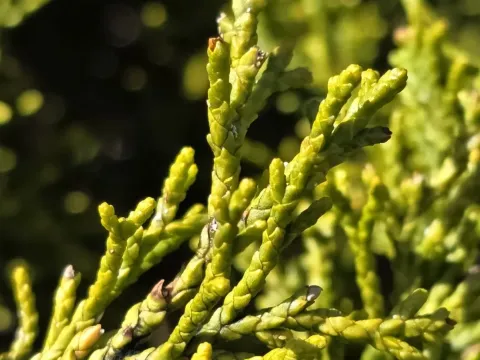
Halocarpus bidwillii
Halocarpus bidwillii
Halocarpus bidwillii is a distinctive conifer belonging to the Podocarpaceae family, native to the diverse landscapes of New Zealand. It naturally exists as a slow-growing, sprawling shrub or a small, gnarled tree.
What the section contains
Halocarpus bidwillii
The species thrives in cool, moist environments and is well-adapted to high-altitude conditions. Cultivation success largely depends on mimicking these natural preferences by providing a temperate climate with consistent air circulation.
Soil requirements are critical; the plant demands well-drained, acidic substrates. Poor drainage is the most significant factor leading to plant failure, as the roots are highly susceptible to saturation and subsequent oxygen deprivation.
In terms of light exposure, Halocarpus bidwillii prefers partial shade. While it can tolerate some sun, protecting the foliage from intense midday heat is essential to maintain the health and color of its characteristic needles.
Maintenance involves periodic watering to ensure the root zone stays moist but not waterlogged. Adding a layer of organic mulch helps retain soil moisture and stabilizes the temperature around the shallow root system.
The plant is relatively robust, yet it remains prone to root rot if the soil structure becomes compacted or overly wet. This condition is often the primary threat to the longevity of the plant.
Pests such as spider mites or scale insects can occasionally infest the foliage, especially in conditions where airflow is restricted or humidity is exceptionally low during the summer months.
Fungal infections can occur if the plant is stressed by improper site selection, such as exposure to scorching wind or excessive direct sunlight, which depletes the plant's natural defenses.
Prevention relies on good horticultural hygiene, which includes keeping the area around the base free of debris and ensuring that the foliage is not constantly wet to avoid mold development.
If symptoms of distress appear, it is recommended to conduct a thorough inspection for insects and assess soil moisture levels before applying any chemical treatments, favoring systemic fungicides if necessary.