
Afrocarpus usambarensis
Afrocarpus usambarensis
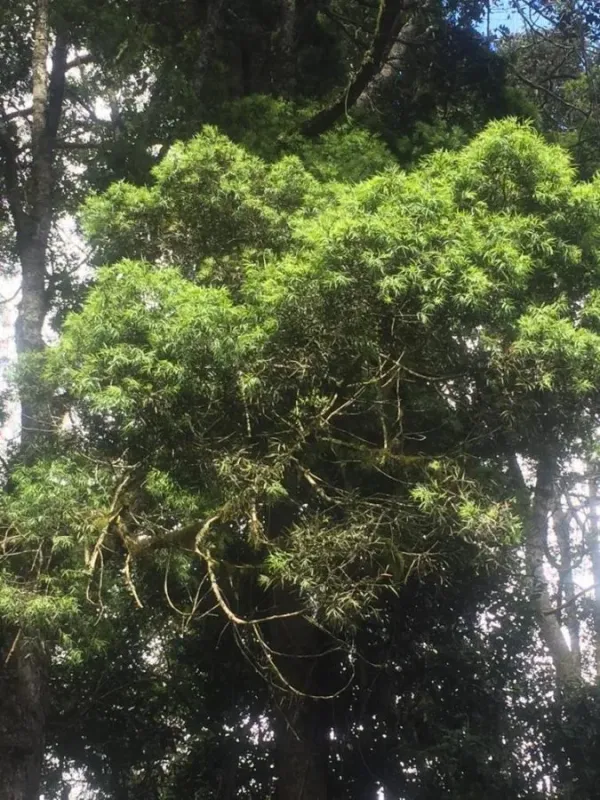
Description
Growing requirements
Afrocarpus usambarensis is a prominent evergreen conifer belonging to the Podocarpaceae family. In its native habitat, it is characterized by its tall, majestic growth and high ecological value within the montane forest ecosystems of Eastern Africa.
The species thrives in humid tropical mountainous climates. Agricultural success depends on maintaining stable temperatures, as the plant is highly susceptible to frost and extreme heat during its juvenile development stages.
Optimal soil conditions include deep, nutrient-rich, and well-draining substrates. It is essential to avoid sites with poor drainage, as the roots are prone to oxygen deprivation and subsequent decay in waterlogged environments.
Agrotechnical management requires a patient approach due to the tree's relatively slow growth rate. Providing sufficient space between specimens is critical to ensure proper crown development and long-term sustainability of the stand.
From a commercial perspective, this species is highly valued for its durable and fine-textured timber. It is often integrated into forestry projects that aim for high-quality wood production combined with the preservation of local biodiversity.
Main diseases and pests
Fungal pathogens represent the primary biological threat to the species, particularly in nursery settings where humidity levels might fluctuate. Preventive measures include ensuring good airflow and careful control of soil moisture levels.
Scale insects and spider mites are among the most common pests observed in Afrocarpus plantations. These pests tend to colonize foliage, reducing photosynthetic efficiency and stunting growth if left untreated.
To maintain plant health, regular monitoring for signs of leaf yellowing or needle drop is recommended. These symptoms often serve as early indicators of either pest infestation or nutritional deficiencies.
Maintaining a balanced nutrient profile is essential for boosting the plant's natural defenses. Over-fertilization, especially with nitrogen, should be avoided as it can create lush, succulent growth that is more attractive to pests.
Integrated pest management strategies should emphasize the use of cultural controls, such as weed removal and maintaining proper site sanitation, to minimize the reliance on chemical interventions.