
Dacrydium kirkii
Dacrydium kirkii
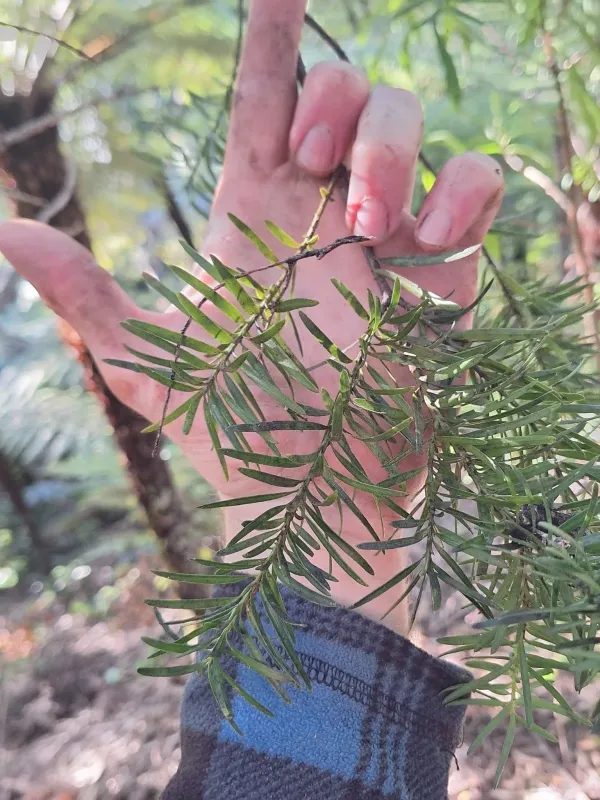
Description
Growing requirements
Dacrydium kirkii, scientifically accepted as Halocarpus kirkii, belongs to the Podocarpaceae family. This rare coniferous tree is native to the North Island of New Zealand, where it thrives in high-rainfall forest environments.
The climate requirements for this species are strict, preferring mild, temperate to subtropical conditions. It does not tolerate frost or extreme heat and performs best in locations with high atmospheric humidity.
Regarding soil conditions, this plant necessitates well-drained, acidic to neutral soil. It is highly intolerant of waterlogging, which often leads to root rot, the most significant risk in its cultivation.
Agrotechnical management involves regular moisture maintenance through mulching and consistent irrigation. The plant is considered a slow grower, requiring patience and stable environmental conditions to reach maturity.
It thrives best in semi-shaded to sunny positions, provided that protection from drying winds is ensured. Young specimens are particularly sensitive to environmental stress and benefit from sheltered nursery settings.
Main diseases and pests
The primary threats to Dacrydium kirkii include soil-borne fungal pathogens, especially Phytophthora species, which thrive in poorly drained substrates.
In containerized or greenhouse cultivation, spider mites and scale insects can become problematic if the humidity levels drop significantly for an extended period.
Environmental stress, such as sudden temperature shifts or excessive exposure to dry wind, can lead to foliage desiccation and reduced vigor of the tree.
Nutrient deficiencies, particularly involving micronutrients, can lead to chlorosis, requiring a balanced fertilization schedule adapted for acid-loving conifers.
Preventive care includes adequate spacing between plants to ensure airflow, regular monitoring for signs of infestation, and the application of fungicides during high-humidity seasons.