
Dacrydium laxifolium
Dacrydium laxifolium Hook. f.
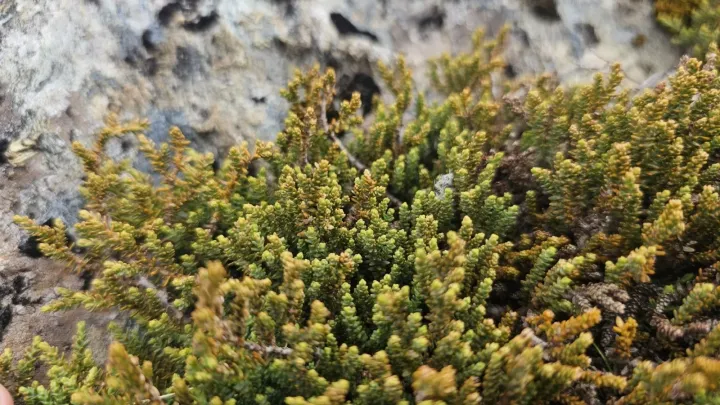
Description
Growing requirements
Dacrydium laxifolium is a fascinating botanical species belonging to the Podocarpaceae family, uniquely recognized as the world's smallest conifer.
The species originates from New Zealand, where it grows in subalpine heaths and bogs, demonstrating extreme resilience to cold and acidic, nutrient-poor substrates.
Successful cultivation requires a well-drained, acidic soil mix, similar to peat-based substrates, which prevents moisture retention that would otherwise lead to root stress.
The plant thrives in cool, humid environments with plenty of light, but it should be protected from intense, direct midday sun to avoid scorching the delicate needles.
Maintenance is minimal due to its slow growth rate, making it a perfect candidate for specialized rock gardens and alpine collections where space is limited.
Main diseases and pests
Root rot is the primary physiological threat for Dacrydium laxifolium, usually caused by poor drainage or excessive water retention in the soil container.
While the plant is hardy, pests like spider mites can become an issue in stagnant air conditions or when the plant is kept in overly dry indoor environments.
Improper fertilization can severely damage the root system; it is recommended to use only very dilute, acidic-based fertilizers designed for ericaceous plants.
The slow growth of the plant makes it susceptible to being overgrown by more aggressive mosses or weeds, requiring regular manual removal around the base.
Providing adequate ventilation and strictly managing the watering schedule are the most effective ways to mitigate disease risks and maintain plant vigor.