
Halocarpus kirkii
Halocarpus kirkii
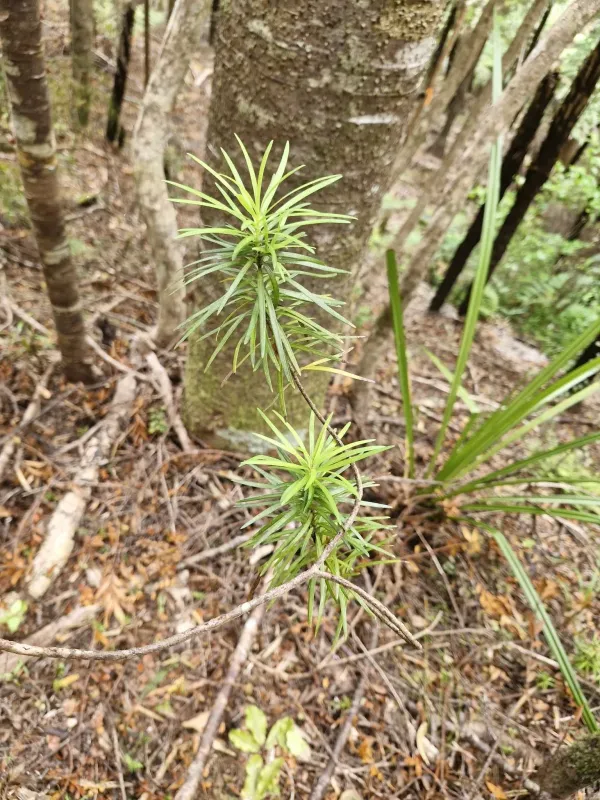
Description
Growing requirements
Halocarpus kirkii is a distinct species within the Podocarpaceae family, native to the North Island of New Zealand. Known for its unique foliage and slow growth rate, this conifer occupies a specific ecological niche in the subtropical forests of its homeland.
The cultivation of Halocarpus kirkii requires a habitat that mimics its natural environment, characterized by high atmospheric humidity and mild temperatures. It thrives in well-drained, acidic forest soils rich in organic matter, which provide the necessary nutrients for its steady development.
When selecting a site for plantation, it is essential to ensure adequate shelter from prevailing winds and frost. Although the species is resilient once established, juvenile plants are particularly susceptible to climatic stress, necessitating a protective environment during the first years of growth.
Proper soil management involves maintaining moisture levels without inducing waterlogging. A well-designed drainage system is mandatory for agricultural plots, as the roots are sensitive to anaerobic conditions that can lead to rapid decline in plant health.
Spacing is another critical factor in its agronomy; given its potential for growth, proper distance between individual trees allows for sufficient air circulation and light penetration, reducing the risk of competitive stress and ensuring robust tree structure.
Main diseases and pests
Browsing by introduced mammals, such as deer and possums, remains the primary threat to Halocarpus kirkii populations. Implementing robust physical protection methods, such as tree guards and perimeter fencing, is essential to secure the survival of young saplings in any reforestation project.
Root rot pathogens represent a significant biological challenge in managed environments. These diseases often emerge due to improper site selection where soil compaction or poor drainage prevents oxygen access to the roots, creating an ideal environment for harmful fungi.
Insect pests can also cause damage to the foliage, especially when the trees are under stress from environmental factors. Integrated pest management strategies, focusing on early detection and biological control, are recommended to maintain the health of the stands.
Furthermore, competition from invasive weed species can suppress the slow-growing Halocarpus kirkii. Regular weeding and site maintenance are necessary during the early stages of establishment to ensure the saplings are not outcompeted for water and soil nutrients.
Maintaining high standards of phytosanitary control is vital for the long-term conservation of the species. Protecting the natural genetic pool and preventing the accidental introduction of pathogens is a top priority for those involved in the cultivation and restoration of this rare conifer.