
Dacrycarpus imbricatus
Dacrycarpus imbricatus
Description
Growing requirements
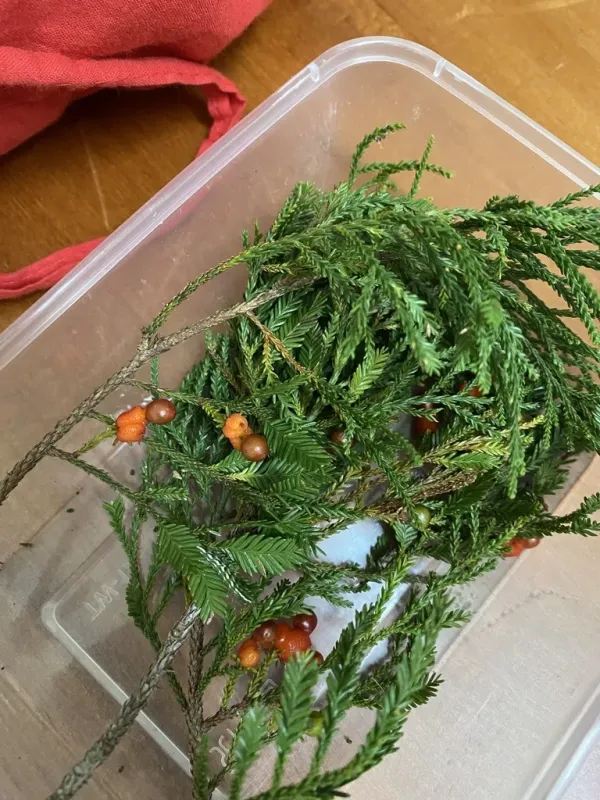
Dacrycarpus imbricatus is a prominent member of the Podocarpaceae family. This large evergreen conifer reaches impressive heights of up to 50 meters. The species is characterized by distinct leaf dimorphism, transitioning from needle-like juvenile leaves to scale-like adult leaves that tightly imbricate the stems.
Native to Southeast Asia, this tree is distributed across diverse ecosystems, ranging from lowland rainforests to mountain ranges. It thrives in regions with consistent humidity and significant annual rainfall, demonstrating a natural affinity for humid tropical and subtropical climates.
Agricultural success depends on well-drained, nutrient-rich soils with an acidic profile. The species is sensitive to waterlogging, which severely compromises the root system. Proper drainage systems are essential when establishing commercial plantations to avoid long-term physiological stress.
The tree prefers stable temperatures and protection from high-velocity winds. While young specimens are shade-tolerant, mature trees require significant solar exposure to maintain vigorous growth and produce high-quality heartwood. Regular irrigation is necessary in regions with seasonal dry spells.
Economically, Dacrycarpus imbricatus is highly valued for its timber. The wood is prized for its straight grain, ease of woodworking, and excellent dimensional stability. It is widely used in high-end furniture manufacturing, construction, and the production of specialized interior wood products.
Main diseases and pests
The primary threats to this species include root rot pathogens, which are exacerbated by poor soil drainage. Additionally, various wood-boring insects can cause structural damage to the trunk, lowering the commercial value of the timber. Integrated pest management and proper site selection are crucial for sustainable cultivation.