
Dacrycarpus
Dacrycarpus
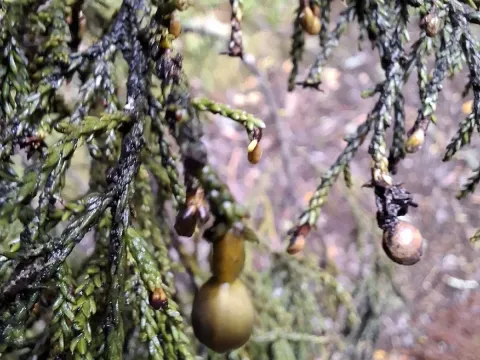
Dacrycarpus is a genus of evergreen coniferous trees belonging to the Podocarpaceae family. These plants are native to the tropical and subtropical regions of Southeast Asia, Oceania, and New Zealand, thriving in specific forest ecosystems.
What the section contains

Dacrycarpus
For successful cultivation, the crop requires stable environmental conditions, specifically high air humidity and a consistently warm climate. Most species naturally grow in the understory of rainforests, necessitating protection from intense, direct sunlight during their early development stages.
Soil requirements focus on fertile, well-draining substrates with acidic or neutral pH levels. Waterlogging in the root zone is strictly detrimental to the plant, making a proper drainage system an essential part of the agricultural setup for this species.
The ideal temperature range for growth is between 18 and 25 degrees Celsius. Due to its tropical origins, the plant is highly sensitive to frost, which limits its outdoor cultivation to temperate regions only within specialized greenhouses or conservatories.
Agrotechnical management includes regular organic fertilization during the active growing season. Maintaining correct soil acidity is crucial for nutrient uptake, requiring periodic monitoring and adjustment of the growing medium to suit Podocarpaceae needs.
The primary threats to Dacrycarpus health are linked to improper irrigation practices, which lead to severe fungal root rot. This condition is particularly prevalent when the substrate remains saturated for extended periods.
In greenhouse settings, the plant is susceptible to common pests such as spider mites and scale insects, which flourish in dry air. Integrated pest management, including the use of acaricides and insecticidal soaps, is required to maintain plant vigor.
Preventing diseases involves ensuring excellent air circulation around the canopy to avoid moisture accumulation. Stagnant, humid air creates a perfect environment for pathogens that cause foliage spotting and needle drop.
Nutrient deficiencies, particularly involving iron and magnesium, can result in foliage discoloration that often mimics disease symptoms. Regular soil analysis and foliar feeding can help mitigate these physiological disorders effectively.
For large-scale greenhouse production, biological control agents such as predatory mites are recommended. This approach reduces chemical stress on the plants and supports a sustainable cultivation model for these rare botanical specimens.