
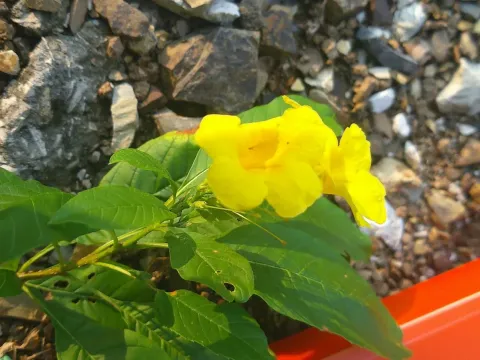
Chestnut-leaved tecoma
Tecoma castanifolia
Chestnut-leaved tecoma (Tecoma castanifolia) is a perennial woody plant belonging to the Bignoniaceae family. It is widely recognized for its high ornamental value, featuring vibrant yellow flowers and unique, chestnut-like foliage that makes it a standout species in its native range.
What the section contains
Chestnut-leaved tecoma
Originating from South America, specifically regions in Ecuador and Peru, this species thrives in tropical climates. It is adapted to environments with consistent warmth and high humidity, which are essential for supporting its vigorous growth and abundant flowering cycles throughout the year.
Botanically, the plant is classified as a shrub or small tree. Its complex leaves are structurally distinctive, providing a dense canopy. The flowers, shaped like trumpets or bells, are a primary attraction for pollinators, contributing to local biodiversity in areas where the plant is grown naturally.
In terms of cultivation, it requires well-draining, nutrient-rich soil. It is particularly sensitive to waterlogging, which can damage its root system, therefore, incorporating organic matter and sand into the planting site is recommended to ensure optimal soil structure and aeration.
The plant is best suited for sunny locations where it can receive maximum exposure to light. While it is robust in tropical settings, it requires protection from severe cold and frost if cultivated in cooler regions, making it a popular choice for conservatory gardening or sheltered urban landscapes.
The primary threats to this crop include fungal infections that manifest under conditions of poor ventilation or high humidity. Powdery mildew is a recurring issue, typically treated with targeted fungicides to prevent the spread of spores across the foliage and stem sections.
Pests such as aphids and scale insects are common adversaries. These organisms feed on the sap of young, tender shoots, which can lead to stunted growth and leaf discoloration. Implementing integrated pest management strategies is crucial for maintaining the plant's long-term health.
Spider mites represent a significant challenge in greenhouse environments, especially during hot, dry spells. Regular misting and keeping the environment clean can help suppress their population, while horticultural oils or soaps are often effective for localized infestations.
Structural damage from improper pruning can also introduce secondary pathogens. It is essential to use clean, disinfected tools when trimming the shrub to prevent the entry of bacteria or fungi that could compromise the plant's internal vascular system.
Finally, nutritional imbalances, particularly excessive nitrogen fertilization, can weaken the plant's resistance. Providing a balanced, slow-release fertilizer ensures steady growth and strengthens the cell walls, making the plant more resilient against various biotic stressors.