
Tecomella undulata
Tecomella undulata
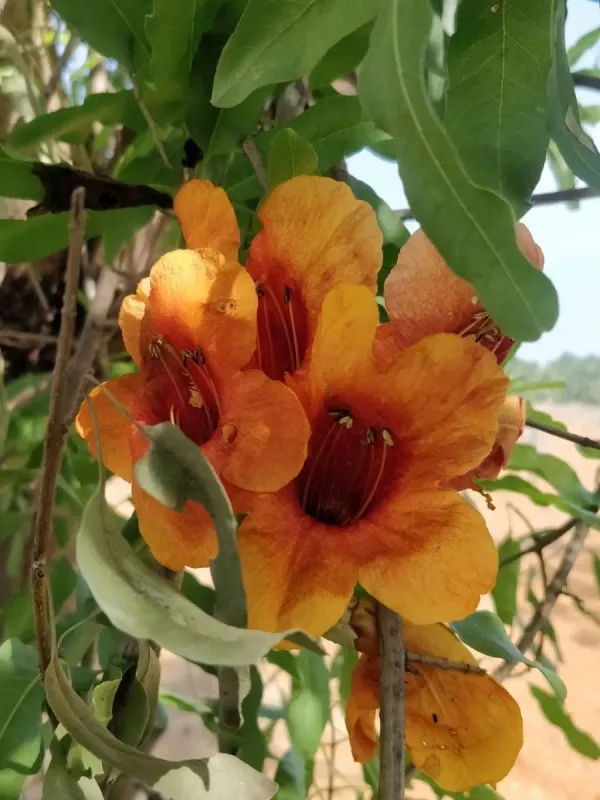
Description
Growing requirements
Tecomella undulata, commonly known as the desert teak, is a stunning tree species from the Bignoniaceae family. It is highly valued for its beautiful orange-yellow flowers and high-quality timber in arid climates.
Native to the dry, sandy regions of Western and South Asia, this tree is a pioneer species for desert afforestation. It has evolved to thrive in areas with minimal rainfall and extreme temperature fluctuations.
Soil conditions are critical for this crop; it requires deep, well-drained soil to avoid root rot. While it tolerates various soil types, sandy loam is considered optimal for its rapid development and structural integrity.
Climate requirements include intense sunlight and low humidity. It is an extremely drought-resistant plant, but it benefits significantly from supplemental irrigation during the initial establishment phase of growth.
Management practices should focus on spacing the trees adequately to allow for root expansion. Once established, the tree requires minimal intervention, making it a sustainable choice for restoring degraded land.
Main diseases and pests
Fungal infections caused by waterlogging are the primary concern for Tecomella undulata. Poor drainage can lead to rapid decay of the root system and subsequent death of the mature tree.
Insects such as caterpillars and aphids can cause defoliation if left unchecked. Integrated pest management strategies are recommended to maintain the canopy health without damaging the ecosystem.
Termites can become a threat to the wood of stressed or physically damaged trees. Ensuring the bark remains intact and removing deadwood helps prevent pest colonization and structural weakness.
Chlorosis and mineral deficiencies are occasionally observed in alkaline soils. Soil amendments that provide essential micronutrients help improve the vigor and color of the foliage.
Overgrazing by local fauna is a significant threat to young saplings in restoration sites. Protective tree guards are essential until the tree reaches a height and trunk diameter that ensures its survival.