
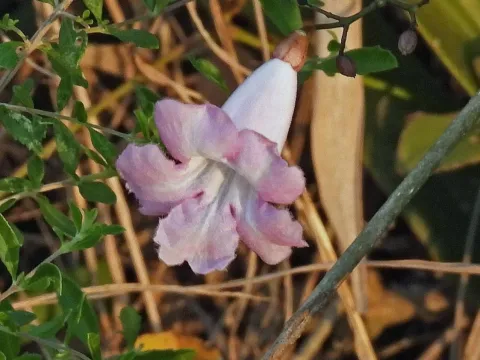
Tanaecium
Tanaecium
Tanaecium is a genus of woody, evergreen vines belonging to the Bignoniaceae family. Native to the tropical regions of Central and South America, these plants thrive in high-humidity environments, climbing high into the canopy of tropical forests.
What the section contains
Tanaecium
The climate requirements for Tanaecium are stringent: they require consistent warmth throughout the year. Frost is lethal to these plants, and even temperatures approaching 10°C (50°F) can cause significant physiological stress, stunting their overall growth.
Regarding soil conditions, Tanaecium prefers rich, well-draining loamy soils with a high organic matter content. The root zone must be kept moist but never saturated, as poor drainage is the leading cause of root-related pathogens in this culture.
Light management is essential for successful growth. While Tanaecium is adapted to the dappled light of the forest floor, it requires sufficient solar exposure to bloom effectively. Placing the plants in a site with morning sun and afternoon shade is generally considered optimal.
Agronomic practices include installing robust trellising systems. Since Tanaecium vines can become quite heavy as they mature, the support structure must be secure and resistant to high winds, ensuring the plant can sustain its vegetative spread throughout the season.
In terms of economic and practical utility, Tanaecium species are primarily valued for their ornamental appeal and, in some cases, for specific chemical properties found in their leaves and vines, often associated with distinct aromatic qualities.
Harvesting strategies depend on the end-use of the plant biomass. For botanical or medicinal research, only healthy leaves and stems are harvested, ensuring that a sufficient amount of foliage remains to allow the plant to continue its photosynthetic activity.
Tools used during the harvest must be sharp and sterilized to prevent the spread of diseases between vines. Cutting should be done at an angle to facilitate better wound healing on the stems and to promote lateral shoot development in the next cycle.
Post-harvest handling requires immediate processing to maintain the integrity of volatile oils or other chemical compounds. The plant material should be kept in a cool, shaded environment to prevent degradation caused by direct UV radiation or excessive heat.
Storage is the final critical step; dry, ventilated containers are required for the long-term preservation of the material. By monitoring humidity levels in the storage area, growers can prevent the accumulation of moisture that leads to microbial spoilage.